
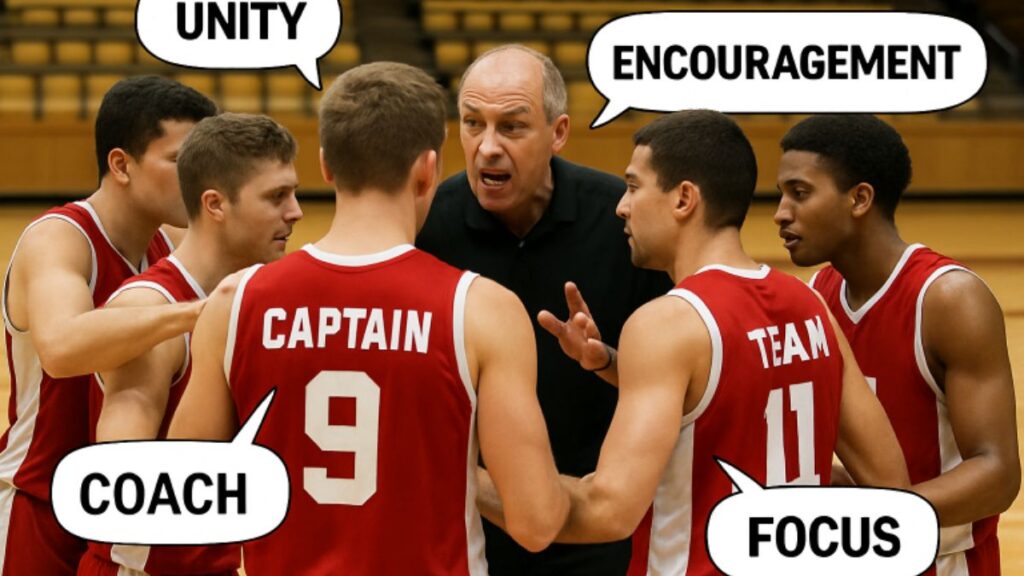
In basketball, effective leadership transcends play-calling and scoring, focusing instead on creating an empowering environment for all team members. Key leaders foster unity and resilience during challenging times, influencing not only game situations but also all aspects of team culture, including practices and community engagement. Their impact inspires confidence, instills discipline, and guides younger players toward achieving high standards, highlighting that exemplary leadership is crucial for sustained success. In fact, if you’re looking for inspiration or proven techniques to elevate your team’s performance, learning from exceptional basketball motivational speakers can provide valuable insights that translate well beyond a single season.
Teams that excel in sports often have leaders who exemplify the values they want to promote, serving as role models of work ethic, discipline, and commitment. Effective leadership fosters a team culture through role modeling, unity, and adaptability, creating an environment where leadership is shared among team members. This approach not only aids in athletic success but also contributes to personal growth and community development, leaving a lasting impact on athletes beyond their sports careers.
Leading by Example
Excellent basketball leadership starts on the practice court and is cemented in the heat of competition. Leaders who lead by example inspire others through unwavering commitment to preparation, effort, and sportsmanship. For instance, when a team captain arrives early for conditioning drills or meticulously studies film after hours, it signals to younger players that total dedication is required for team success. Similarly, a coach’s ability to remain calm and collected in stressful moments—such as a tense late-game timeout—shows players how to navigate adversity with poise. These actions are watched closely and emulated by others, establishing standards for the entire roster. Many of the most celebrated basketball dynasties attribute their sustained success to the influence of authentic leaders rather than just star talent. These dynasties are frequently upheld by individuals who hold themselves accountable and motivate their teammates to exceed expectations. Simple behaviors—such as hustling for loose balls, supporting a teammate after a missed shot, or speaking up during key moments—all serve as quiet yet powerful examples of how leadership manifests on great teams.
Building Team Cohesion
Team cohesion is built through trust, open communication, and shared purpose. Leaders facilitate team-building exercises, foster transparency during meetings, and encourage players to support one another both on and off the court. Relationships among teammates deepen when leaders invite input from everyone, recognizing that each player brings unique perspectives and strengths. These actions help create an environment where every individual feels their voice matters. For example, informal bonding—such as sharing meals after games or celebrating individual milestones—contributes to the strong sense of belonging that is essential for high-performing teams. High cohesion makes adversity easier to overcome, as players are motivated to fight for each other, not just themselves. Research from Sports Illustrated highlights how teams that share a sense of belonging and trust have a greater capacity to execute complex strategies and outperform less unified squads. Furthermore, consistent internal communication—where feedback flows openly and constructively—ensures that misunderstandings are quickly resolved, allowing the group to stay focused on common goals.
Fostering Resilience
Adversity is a constant in basketball, whether it stems from an authoritarian losing streak, injuries, or external pressures on the team. Leaders help teams bounce back by framing setbacks as opportunities for growth and improvement. When coaches normalize mistakes and encourage persistence, they reduce fear of failure and increase mental toughness among their athletes. This approach not only helps the team recover swiftly from defeats, but it also fosters a culture that values effort as much as results. For instance, after a difficult loss, resilient leaders prompt reflective discussions that focus on lessons learned rather than pointing fingers. This resilience encourages teams to recover quickly after losses and sustain high performance throughout the season. Moreover, when players see their leaders respond positively to challenges, they are more likely to adopt similar attitudes themselves, which becomes invaluable in maintaining momentum during long, demanding basketball campaigns. Ultimately, the ability to stay focused on improvement in the face of adversity makes a significant difference in both team and individual development.
Embracing Innovation
Basketball is constantly evolving, with advancements in technology, analytics, and training continually changing the game year after year. Leaders who embrace these innovations equip their teams to stay ahead of the competition and continuously raise their own standards. For example, analyzing player tracking data can reveal opportunities for smarter defensive rotations or improved shot selection. Utilizing new technology, such as wearable performance monitors, can help coaches tailor training regimens and optimize recovery protocols. Forward-thinking leaders encourage experimentation and the adoption of new methods, fueling continuous improvement. Teams that adapt quickly to changes, whether it’s new rules or experimental tactics, typically realize sustained advantages over less adaptable opponents. The integration of advanced analytics, as detailed by the NBA’s official analytics coverage, is revolutionizing how teams approach everything from scouting to in-game decision-making. Leaders who push for educational opportunities—like bringing in guest speakers on mental skills or encouraging players to learn about cutting-edge nutrition—ensure their teams are always learning, evolving, and striving for excellence in a competitive landscape.
Developing Bench Strength
No team succeeds on the shoulders of a few stars alone, especially during the grueling stretches of a long basketball season. The depth built by developing every player prepares teams for the inevitable challenges, such as injuries, foul trouble, or unexpected matchups. Leaders dedicate time to nurturing talent in emerging players, ensuring everyone is ready to step up when needed and understands the importance of their role, regardless of minutes played. This not only improves roster resiliency but can also uncover new stars, as bench players gain confidence and experience through meaningful contributions in competitive situations. In game after game, championship teams have relied on role players who were once overlooked but became crucial to late-season or playoff victories. Leaders foster a sense of belonging and responsibility for every member of the roster, so the next generation is constantly growing and ready to shine when their moment arrives.
Strategic Adaptability
Basketball is a dynamic sport—injuries, opponent adjustments, and momentum shifts demand strategic flexibility at every turn. Effective leaders meticulously analyze their opponents, adjust tactics mid-game, and empower players to make informed decisions on the fly. Being able to pivot strategies is a hallmark of elite teams, stemming from the trust and open communication fostered by leadership over time. Whether it’s switching defensive schemes during a playoff series or reassigning roles based on opposing matchups, adaptability keeps teams unpredictable and formidable. It also includes a willingness to learn from losses and continuously improve game plans, fostering humility and a growth mindset across the squad. Strategic leaders advocate for studying films, engaging in scenario planning, and encouraging all players to voice their observations—turning every game into a collective learning opportunity.
Conclusion
Authentic leadership in basketball is multifaceted; it involves leading by example, building trust and unity, fostering resilience, encouraging innovation, developing bench strength, and embracing adaptability. Those who consistently embody these qualities—be they coaches, captains, or emerging team members—lay the foundation for team success that can endure for seasons to come. By learning from those who have excelled in these roles and adopting similar practices on their own teams, aspiring leaders can help their squads reach their full potential. Ultimately, it’s this commitment to growth, encouragement, and collective ambition that separates good teams from truly great ones in the world of basketball.