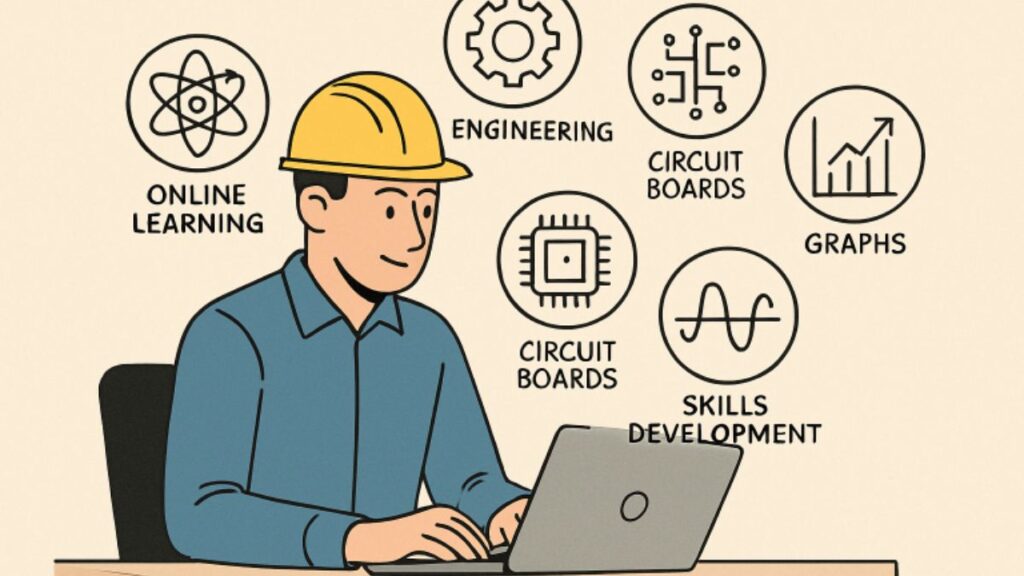
As technology continues to revolutionize the engineering landscape, professionals face relentless pressure to keep their skills current. Adapting to this environment isn’t just about surviving—it’s about thriving and shaping the future. By pursuing advanced credentials, such as an engineering management master’s degree online, engineers can gain both practical knowledge and leadership skills needed to stand out in a dynamic workforce. Online education makes this process accessible, offering pathways to upskill without sacrificing work or personal responsibilities.
The shift to remote and digital learning formats means engineers have more flexible options than ever before. Whether aiming to master emerging tech trends or to move into management roles, online coursework and micro-credentials can open doors to new opportunities. The key is tapping into relevant, rigorous programs that meet your career aspirations—while providing the adaptability modern life demands.
Introduction
Engineers are the architects of modern innovation, powering advancements across artificial intelligence, infrastructure, and beyond. But as new technologies emerge, the foundational concepts taught years ago can quickly become outdated. Lifelong learning has become a cornerstone of professional success, and online education is now a crucial tool for those looking to future-proof their engineering careers.
From short courses to full degree programs, reputable online platforms are helping engineers stay on the cutting edge. These resources not only increase technical proficiency but also foster leadership and adaptability—traits that employers highly value. According to recent Forbes findings, continuous learning directly contributes to career advancement and job satisfaction in the tech-driven economy.
The Need for Continuous Learning in Engineering
Technological disruption has become a constant in engineering. From automation on the factory floor to the integration of machine learning into product design, engineers’ roles and responsibilities are steadily expanding. Engaging in continuous learning ensures engineers remain proficient, relevant, and prepared for unforeseen challenges in their industries.
This ongoing education also supports compliance with new regulations and professional standards. Many leading organizations now expect their teams to pursue certifications and advanced coursework regularly, emphasizing a proactive approach to talent and project development.
Benefits of Online Education for Engineers
- Flexibility: Online learning removes the logistical barriers of traditional programs, letting engineers learn anytime, anywhere. This flexibility supports diversity in education and accessibility for professionals at all career stages.
- Accessibility: The internet offers a vast catalog of engineering topics—from nanotechnology to sustainable energy—often designed and delivered by world-class institutions and experts.
- Cost-Effectiveness: Financial concerns are reduced with online programs, as tuition is often lower and there’s no need for relocation or daily commuting expenses.
- Networking Opportunities: Online courses foster global connections, enabling engineers to collaborate, exchange ideas, and learn alongside peers from diverse backgrounds and industries.
Beyond professional skills, online education can even facilitate cross-disciplinary growth. For example, learning about data science or project management can help traditional engineers pivot into new specializations, emphasizing versatility and career resilience.
Choosing the Right Online Program
Given the proliferation of digital learning options, it’s important to select programs that match your needs and ambitions. Consider the following before enrolling:
- Accreditation: Accreditation ensures educational standards and industry recognition. Choose programs certified by respected organizations or regulatory boards.
- Curriculum Relevance: The curriculum should align with real-world challenges and anticipate future industry developments. Seek out programs that regularly update their content in response to technological advancements.
- Instructor Expertise: Verify that instructors are established professionals with substantive experience and credentials in the field.
- Support Services: Robust support is key to online student success; look for programs that provide academic, technical, and career assistance throughout your studies.
Reviews and alumni outcomes found on platforms like U.S. News & World Report can offer valuable insights into program reputation and career impact.
Overcoming Challenges in Online Learning
Motivation and effective time management can be hurdles in the online environment. To succeed, set clear milestones and establish a personalized routine. Participating in discussion forums and group projects helps maintain a sense of connection and community, boosting both engagement and accountability. Additionally, taking advantage of resources like virtual labs and self-assessment tools will reinforce your learning and keep you on track toward your goals.
Real-World Success Stories
Engineers worldwide have transformed their careers through online education. Some pursued courses in AI and machine learning, resulting in promotions to lead tech development teams. Others completed micro-credentialing certificates in sustainable design, tapping into rapidly growing industries and securing lucrative roles. Notably, individuals who combined technical training with managerial studies—often through online degrees—were able to pivot into engineering management positions or launch their own consulting practices. Data and further inspiration can be found in case studies published by organizations such as the IEEE Transactions on Professional Communication.
Conclusion
Adapting to technological advancement in engineering is a lifelong journey. Online education provides a strategic advantage—combining flexibility, accessibility, and diverse learning formats—to ensure engineers thrive in a rapidly changing world. By continuously building new skills and embracing innovative learning opportunities, engineers can confidently secure their place at the cutting edge and shape the future of their profession.