
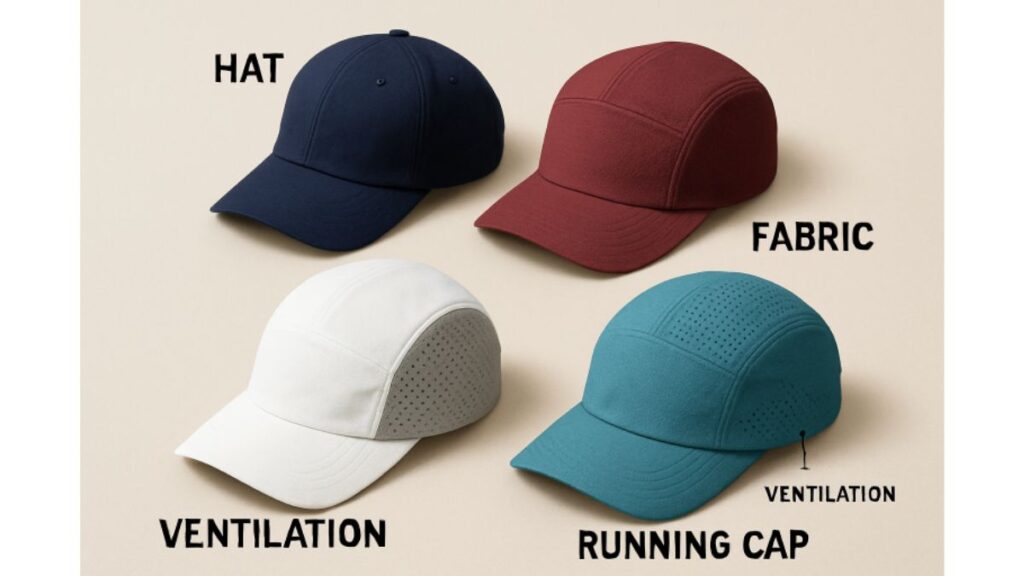
Whether you’re hitting the trail, running a marathon, or powering through a gym session, the right gear makes a critical difference. This is especially true for athletes and outdoor enthusiasts who rely on headwear engineered for comfort, breathability, and style. The latest generation of sweat-wicking performance hats delivers precisely that pairing of high-tech fabrics with functional designs to help you stay cool, dry, and protected during any activity.
Modern performance hats have gone far beyond their utilitarian roots. Innovative features such as UV protection, moisture management, and eco-friendly construction are now blended with customizable options, transforming ordinary headwear into must-have gear for both amateurs and pros. As performance hats continue to evolve, athletes now have unprecedented choices in both fit and functionality, no matter the sport or weather.
The surge of new fabrics, purposeful designs, and a stronger focus on sustainability ensure that selecting the ideal hat isn’t just about blocking the sun; it’s about enhancing your entire experience outdoors. Brands are pushing boundaries to give wearers headwear that matches their pace and values. For those looking to upgrade their fitness wardrobe, keeping pace with these advancements can pay dividends in comfort and health.
This comprehensive guide explores the latest innovations in performance headwear, from advanced materials to trends, sustainability, care tips, and how to choose the right piece for your active lifestyle.
Advanced Materials Enhancing Comfort
In recent years, the performance headwear market has benefited from rapid developments in textile technology. Today’s hats are commonly crafted from lightweight, technical fabrics such as polyester microfibers, elastane blends, and engineered mesh. Leading brands are adopting fabrics that provide four-way stretch for a refreshingly snug yet breathable fit, ensuring headwear feels almost weightless, even during intensive exercise.
For example, Titleist has introduced enhanced moisture-wicking technology and new stretch fabrics in its 2025 lineup, setting new standards for sport cap comfort. These innovations help users avoid common complaints of overheating and irritation, even on long days under the sun. According to experts at Outside Magazine, the best performance hats often feature seamless construction and soft, flexible bills for unrivaled comfort and adaptability.
Moisture-Wicking and UV Protection
Effective sweat control can make or break a workout. Coolmax® Active Performance fabrics exemplify the performance-driven approach to moisture management by efficiently drawing sweat away from the skin and spreading it across the fabric for quick evaporation. These advanced wicking capabilities help wearers stay dry, uphold hygiene, and reduce chafing.
Additionally, as outdoor activities expose users to prolonged sunlight, hats with a high UPF (Ultraviolet Protection Factor) rating have become increasingly attractive. Many leading headwear brands now offer caps with built-in UV protection to shield athletes from harmful rays, helping reduce the risk of sunburn and long-term skin damage. The CDC underscores the importance of sun-protective apparel, making UV-blocking hats an essential addition for outdoor enthusiasts.
Sustainable and Eco-Friendly Options
Consumers today are more environmentally conscious than ever before, prompting brands to embrace eco-friendly innovations. Labels like Headsweats lead the way with performance hats made from recycled plastic bottles, combining effective athletic wear with reduced ecological impact. Their REPREVE® range, constructed from post-consumer waste, proves that high performance and sustainability can go hand in hand.
Such initiatives are part of a broader industry movement towards closed-loop manufacturing and greener supply chains. As National Geographic highlights, choosing recycled or sustainably sourced gear can make a significant environmental difference in the long run. Performance headwear that prioritizes eco-friendly practices not only benefits the planet but also appeals to the growing market of green-conscious athletes.
Customization and Personalization
Personalization is transforming headwear into powerful statements of individuality and team spirit. Major brands now allow for bespoke embroidery, color accents, logos, and unique designs, catering to groups ranging from sports teams to corporate clients. Custom Under Armour hats, for example, blend high-performance features with tailored aesthetics, enabling wearers to align their gear with personal style or branding needs.
For many organizations, custom hats serve dual purposes, offering both advanced performance features and opportunities for brand visibility. With on-demand technology and digital design studios, it’s easier than ever for teams and event organizers to create one-of-a-kind gear that boosts morale and strengthens identity.
Trends in Performance Headwear
Fashion meets function in the latest headwear trends. Rope hats, for instance, blend retro style elements with modern performance fabrics, offering a unique look and feel that resonates with all ages. The growing variety of colors, prints, and textures has led to a surge in popularity. Modern rope hats can be found in mesh-backs for enhanced breathability, floral prints for a bold statement, or minimalist solid tones for versatility.
This style-forward movement indicates a shift towards headwear that supports self-expression without sacrificing the essential benefits of performance materials. Whether you gravitate towards classic silhouettes or experimental designs, the current market offers diverse options for every taste and activity.
Choosing the Right Headwear for Your Activity
Not all headwear is created equal; fit, purpose, and features vary widely by intended use. For high-intensity training or running, lightweight hats with mesh panels and robust moisture-wicking properties are best. Outdoor adventures that involve prolonged sun exposure call for full-brimmed hats or caps with high UPF ratings. If water resistance is a must, consider hats treated with hydrophobic coatings to repel rain and sweat.
Take time to assess your activity needs: consider ventilation, adjustability, insulation (for cold-weather sports), and fit. Trying on multiple models and reading reviews from reputable sources can help ensure satisfaction and performance when it matters most.
Care and Maintenance Tips
Preserving your performance hat’s integrity starts with following the care instructions on the label. Most technical hats should be hand-washed with mild soap and air-dried. Machine washing or the use of harsh chemicals can degrade fabric elasticity, wicking properties, and color vibrancy. Avoid exposing hats to direct sunlight for drying, as UV rays can fade and weaken the materials over time.
Hang hats on a hat rack or mold to retain shape between uses, and periodically inspect seams and closures for wear. Rotating between multiple hats during peak activity seasons can further prolong the lifespan of your collection.
Conclusion
Performance headwear is evolving rapidly, blending sophisticated materials, sustainability, and standout style for the ultimate in athlete comfort and safety. Whether you’re looking for maximum sweat-wicking, UV protection, environmental peace of mind, or a signature custom look, modern hats deliver solution-driven design for every active pursuit. Selecting hats engineered for your preferred activities and maintaining them well ensures you stay protected, comfortable, and ready to achieve your goals.