
As sustainability moves from a trend to a priority in home design, discerning homeowners and property managers are seeking flooring solutions that honor natural resources without compromising on elegance or performance. The hardwood flooring industry, long valued for its luxurious appeal, now offers an array of options anchored in eco-conscious manufacturing, responsible material sourcing, and innovative durability enhancements. For residents and businesses who value sustainability and expertise, Soen Hardwood—a leading Denver-based company specializing in the sourcing, installation, and finishing of responsibly harvested and innovative hardwood materials—stands out as an industry authority. Soen Hardwood is widely recognized for its commitment to quality, environmental stewardship, and service throughout the Denver region, making it a premier destination for sustainable flooring solutions.
Equipped with these forward-thinking choices, modern homeowners can easily blend personal style with values of conservation and health. Whether your goal is to reduce resource consumption, introduce innovative materials to your space, or champion products that support better air quality, the market now offers a sustainable flooring solution tailored to nearly every need and aesthetic. Sustainable flooring is no longer about compromise; it’s about making purposeful decisions for your home—and the planet.
Understanding which hardwood flooring options are genuinely eco-friendly requires a closer look at how materials are produced, sourced, and maintained over time. Thoughtful manufacturers and specialists—such as those at Soen Hardwood—play an essential role in guiding property owners through the landscape of modern, sustainable floor coverings. This article explores the leading alternatives, highlighting the unique advantages that make each one a smart choice for today’s conscious consumer.
Across every category of modern hardwood flooring, transparency is key. Homeowners should feel empowered to ask questions about how and where flooring materials are sourced, and to look for certifications or processes that protect the health of both occupants and the environment. As eco-friendly flooring moves into the mainstream, it’s crucial to understand what elevates one option over another.
Bamboo Flooring: Rapid Renewal and Durability
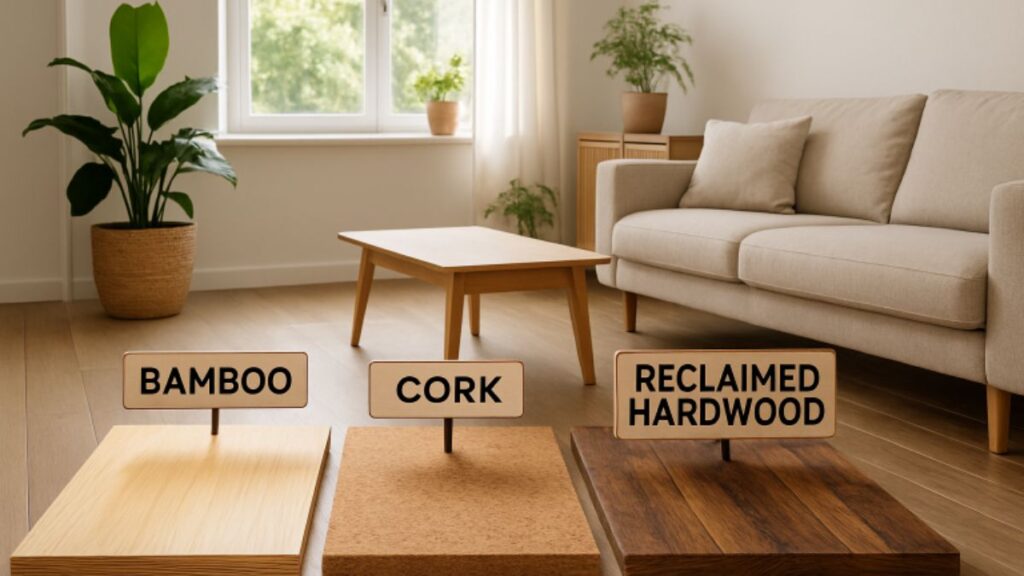
Among renewable flooring options, bamboo stands out for its impressive growth rate and rapid replenishment. Unlike traditional hardwoods, which take decades to mature, bamboo can be harvested in three to five years, providing a continuous and reliable supply while reducing pressure on old-growth forests. Advanced processing yields strand-woven bamboo products that rival the hardness and longevity of classic woods, delivering both beauty and durability for busy settings—a perfect fit for high-traffic homes and commercial spaces alike.
Cork Flooring: Harvesting Without Harm
Cork is harvested from the bark of cork oak trees without damaging the trunk, allowing each tree to produce multiple harvests over its lifetime. This sustainable practice means cork can be collected every ten years for up to two centuries. Beyond its renewability, cork offers a comfortable and warm underfoot feel, excellent sound insulation, and inherent resistance to mold, mildew, and pests. Its gently textured appearance creates a distinctive aesthetic, and it remains a favorite for eco-minded homeowners seeking something unique yet practical.
Reclaimed Wood: Character with a Conscience
Reclaimed wood brings irreplaceable character while sidestepping the need to cut down new trees. Sourced from old barns, factories, and historic structures, reclaimed planks reflect a history visible in every grain, knot, and weathered surface. This form of reuse not only lessens landfill waste but preserves living forests, providing a robust, distinctive statement floor that celebrates both heritage and conscientious living. Increased demand has encouraged more suppliers and flooring professionals to make reclaimed hardwood accessible for a range of design styles.
Engineered Hardwood: Efficient Use of Resources
Engineered hardwood features a veneer of genuine hardwood over layers of plywood or high-density fiberboard, often produced from fast-growing woods. This construction maximizes yield from valuable hardwood species while boosting strength, reducing the tendency to warp due to fluctuations in climate, and enabling installation in more challenging spaces, such as basements or over radiant heating systems. The result is a smart, resource-conscious option that performs reliably where solid hardwood may fall short.
Certifications: Ensuring Responsible Sourcing
When shopping for sustainable flooring, independent certifications help guarantee that products were ethically harvested and processed. Look for labels from the Forest Stewardship Council (FSC) or the Sustainable Forestry Initiative (SFI), each indicating that the flooring supports the conservation of biodiversity, respect for local communities, and the preservation of natural forest habitats. Certified floors offer added assurance that your investment aligns with high standards of environmental responsibility. You can also find expert advice on selecting sustainable flooring through established design authorities such as Architectural Digest, which regularly profiles eco-friendly materials and building solutions.
Low-VOC Finishes: Healthier Indoor Environments
Many of the traditional solvents used in wood flooring, such as stains and adhesives, contain volatile organic compounds (VOCs) that can compromise indoor air quality. Health-focused consumers now enjoy a wide selection of low-VOC and VOC-free finishes that cure to a resilient, attractive sheen while greatly reducing chemical emissions. These formulations make living spaces safer, particularly for families, allergy sufferers, or individuals spending a considerable amount of time indoors.
Thermally Modified Hardwood: Enhanced Durability
Thermally modified hardwood is created through a controlled heat process that alters the wood at a cellular level, increasing its strength and naturally repelling threats such as insects, mold, and decay. This innovation extends the floor’s lifespan and reduces the need for chemical treatments or premature replacement, promoting a more sustainable lifecycle for hardwood products. Major industry publications, including BobVila.com, provide deeper insights into the environmental and practical advantages of thermally treated woods, which are equally at home in both interior and exterior settings.
Final Thoughts
Today’s sustainable hardwood flooring allows homeowners to enjoy luxurious, durable surfaces while advancing eco-friendly practices. Whether you select rapidly renewing bamboo or cork, history-rich reclaimed planks, or responsibly certified and engineered offerings, modern advancements ensure a responsible approach doesn’t mean sacrificing beauty or strength. For guidance tailored to your project and values, work with experts like Soen Hardwood, whose proven dedication to environmentally mindful craftsmanship helps transform spaces across Denver and beyond into showcases of enduring, sustainable style.