
Selecting the right flooring for a gymnasium extends far beyond visual appeal, affecting every aspect of a facility’s operation—from athlete safety and sports performance to long-term financial planning. Schools and sports centers often serve as multifunctional venues, requiring flooring systems that strike a balance between durability, performance, and versatility. With gymnasiums hosting everything from rigorous athletic practices to community events, making the right flooring decision is crucial to safeguard participants, protect the investment, and accommodate various needs under one roof. A specific selection process should take into account the daily traffic the gym receives, the standard sports played, non-athletic functions, and cleaning protocols. These factors ensure the installed system aligns with both short- and long-term goals, preventing unexpected repairs or premature replacements. Taking a holistic approach will help create a facility that’s as functional as it is safe, adaptable, and visually appealing.
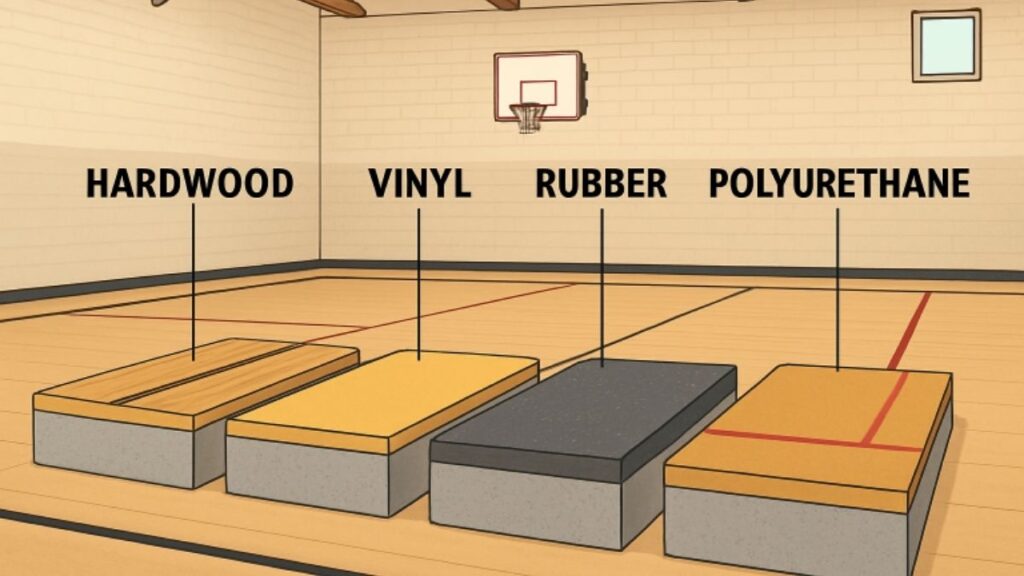
Modern gymnasium flooring options include hardwood, vinyl, polyurethane, and rubber, each tailored to unique demands. Synthetic materials, for instance, can withstand heavy rolling loads and are ideal for gyms that rapidly transition between athletic and social uses. Key attributes, such as shock absorption, slip resistance, and acoustics, can directly influence the player experience and injury prevention, making them a priority in any selection process.
Beyond functionality, the right gym flooring supports cost-effective maintenance routines, easy cleaning, and a healthier indoor environment. Sustainable flooring options also contribute to better air quality and safety for all users. With so many variables, having a clear understanding of needs and options will ensure a long-lasting and resilient surface.
Understanding Facility Needs
The foundation of the flooring decision lies in understanding how your gymnasium will be used. School facilities must facilitate a seamless transition between athletic events and non-sport events, such as assemblies or community gatherings. If heavy equipment, folding chairs, or portable bleachers are used regularly, the flooring must be resilient and easy to maintain. Synthetic floors, such as polyurethane or vinyl systems, offer strong resistance to wear and tear from both sports and event use. Hardwood floors, while luxurious and performance-oriented for certain sports, are more susceptible to damage when subjected to rolling loads or spills common in multipurpose environments. Carefully evaluating current and future usage scenarios will minimize costly mistakes and future disruptions.
Types of Gymnasium Flooring
Each gymnasium flooring material brings distinct advantages depending on your program’s needs. Below are the most widely used options:
- Hardwood Flooring: Often chosen for basketball and volleyball, maple hardwood is renowned for its classic appearance, excellent shock absorption, and responsiveness to athletes. However, it’s best reserved for venues prioritizing traditional sports, as it requires diligent upkeep and doesn’t fare as well under heavy multipurpose use.
- Vinyl Flooring: Designed to visually emulate hardwood, vinyl floors provide cushioning and are ideal for facilities where durability and versatility are paramount. Their non-porous surface simplifies cleaning—perfect for schools or community centers that require a fast turnaround between activities.
- Rubber Flooring: Highly effective in weight rooms or fitness centers, rubber tiles and rolls deliver exceptional slip resistance, shock absorption, and noise reduction. They’re easily installed, cost-effective, and withstand dropped weights and equipment movement, but aren’t suitable for sports that rely on ball bounce consistency.
- Polyurethane Flooring: These seamless, fully bonded systems accommodate creative designs, making it easy to showcase school branding and logos. They’re resilient to heavy foot traffic, resistant to moisture damage, and straightforward to disinfect, making them a favorite for multipurpose school gyms.
Key Considerations for Flooring Selection
- Safety and Performance: Court surfaces should provide optimal shock absorption, minimizing injury risk while supporting peak athletic performance. Surfaces that are too hard or slippery can increase the chance of falls and joint strain.
- Durability: Prioritize materials designed to withstand high traffic and rigorous use. Look for validated performance data, particularly for systems in K-12 schools.
- Maintenance Requirements: Consider the ease of cleaning, refinishing, or repairing the surface. Synthetic systems often require less meticulous maintenance compared to hardwood floors.
- Budget: Consider the full economic picture, including installation, maintenance, expected repairs, and life cycle. An investment in a more resilient system may pay off through lower maintenance and extended longevity.
Maintenance and Refinishing
Consistent maintenance preserves the safety and functionality of your gym floor. Daily dust mopping, prompt spill cleanup, and routine deep cleaning help extend the lifespan and maintain optimal performance. Refinishing hardwood surfaces every few years helps restore traction and removes accumulated wear, while synthetic floors should be regularly inspected for seams, gouges, or premature surface breakdown. Scheduling annual assessments and acting quickly on repairs also curtails more significant, costly problems.
Sustainability and Environmental Impact
Environmentally conscious flooring decisions are increasingly important for schools and community centers. Look for flooring systems that limit the use of volatile organic compounds (VOCs), feature water-based stains, or leverage recycled materials. Natural subfloors or eco-friendly adhesives help safeguard indoor air quality and can earn additional points toward certifications such as LEED or WELL. Sustainable materials also reduce health risks and contribute to a more comfortable, inviting gymnasium environment.
Cost Analysis and Budgeting
Beyond just acquisition costs, view flooring investment through the lens of total cost of ownership. Calculating expected lifespan, frequency, and expense of repairs, cyclical refinishing, and any unplanned downtime is critical. Consider establishing a maintenance fund in your budget and requesting performance guarantees from vendors where possible. Comparing several flooring proposals using these criteria will position your facility for both immediate and lasting value, ensuring your choice stands the test of time. For further guidance, resources like Forbes’ gym flooring guide can assist with up-to-date product information and cost comparisons.
Conclusion
Selecting the right gymnasium flooring is a decision with wide-reaching ramifications for safety, performance, and fiscal responsibility. By carefully considering your facility’s diverse needs, evaluating flooring options for durability and sustainability, and planning ongoing maintenance, you’ll create an environment that supports athletes and community members alike for years to come.