
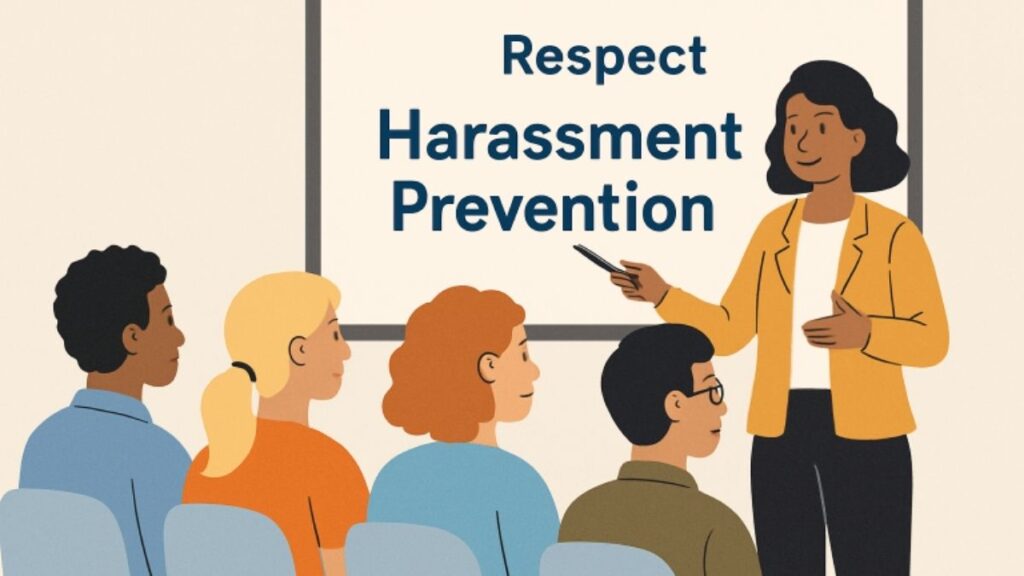
Creating a workplace where all employees feel respected and safe is not only a legal obligation but also essential for the long-term health of the organization. Comprehensive, ongoing training programs help ensure everyone understands which behaviors are appropriate and how to address any concerns. This is especially important in today’s evolving work environments, where cultural expectations and legal standards are rapidly changing. For organizations that want to stay ahead and foster a productive and positive atmosphere, providing employees with sexual harassment prevention training from Traliant is an important step in building a foundation of respect and accountability.
More than a legal checkbox, workplace training equips employees and managers alike with the skills and confidence to identify, prevent, and respond to harassment effectively and promptly. A strong training program can transform workplace culture, reducing incidents while increasing morale and unity across an organization.
Harnessing the benefits of effective harassment prevention training goes beyond avoiding lawsuits or regulatory fines. Implementing high-quality training fosters an environment of well-being, inclusivity, and fairness, where everyone feels valued regardless of background or position. According to the Harvard Business Review, organizations that invest in ongoing, skill-focused training report lower turnover rates and greater innovation, underscoring that respect and business success are closely intertwined.
Modern workplaces face growing expectations from both employees and industry regulators. Keeping pace with legal and social changes requires proactive, engaging educational approaches that reach everyone in the organization, from the C-suite to new hires. The best results occur when training is supported by leadership and woven directly into daily operations and company culture.
The Importance of Workplace Training
Workplace training underpins a company’s ability to create consistent, respectful standards of conduct. Properly executed programs go well beyond legal minimums and demonstrate a commitment to the dignity of every employee. The U.S. Equal Employment Opportunity Commission (EEOC) emphasizes that effective training can significantly reduce incidents of workplace harassment by teaching employees what behaviors are unacceptable and encouraging them to act as allies. This flow of knowledge doesn’t just reduce risk; it also enables employees to thrive within a safe, collaborative environment.
Investing in harassment prevention training also sends a clear message to staff that management prioritizes their safety and well-being. Beyond regulatory compliance, guided learning helps employees understand the emotional impact of harassment, underscores the importance of respectful communication, and empowers bystanders to intervene or report issues early—before problems escalate.
Effective Training Methods
Not all training programs are created equal. While traditional, lecture-based sessions may meet compliance requirements, they often fail to genuinely engage employees or change behavior. Effective training programs rely on interactive, scenario-based modules that reflect real-world situations. This approach enables participants to learn through practical examples, gaining confidence in their ability to respond to inappropriate conduct.
According to research from the Society for Human Resource Management (SHRM), 84% of employees report that workplace training is more memorable and valuable when it includes relatable scenarios and role-playing. Involving employees in active problem-solving leads to longer-lasting retention and encourages team members to internalize the company’s values.
Other hallmarks of successful training include periodic refreshers, accessible online modules, opportunities for open discussions, and clear communication channels for questions or concerns. These elements ensure that training content remains relevant and top-of-mind as industries and regulations change.
Legal Compliance and Training
Employers in the United States are bound by both federal statutes, like Title VII of the Civil Rights Act, and a patchwork of state laws regarding harassment training. For example, California law mandates interactive sexual harassment training for all employees of businesses with five or more workers, to be provided within six months of hire or promotion and renewed every two years. Compliance with these mandates not only reduces exposure to litigation but also underscores the company’s ethical commitment to a fair workplace. The U.S. Department of Labor offers organizations valuable resources to help them understand and comply with employment discrimination laws nationwide.
Legal requirements can change rapidly, particularly as social awareness of harassment issues evolves. Staying ahead of these changes with regular training updates and proactive compliance reviews ensures that organizations continue to foster a supportive environment and demonstrate a zero-tolerance approach to harassment.
The Role of Leadership in Promoting Respect
Leadership engagement is critical in creating lasting cultural change. When leaders champion and participate in training sessions, their actions reinforce the importance of respect and inclusivity from the top down. Leaders set expectations by example—when they openly discuss, support, and uphold training initiatives, employees are more likely to trust the system and model those behaviors.
Management’s visible commitment to addressing harassment builds trust across teams and assures staff members that concerns will be taken seriously. Leaders can promote a respectful environment by being open to feedback, holding themselves to the same standards as their reports, and ensuring that all reports of inappropriate behavior are handled consistently and fairly.
Measuring Training Effectiveness
It’s essential to evaluate the impact of workplace training programs to ensure that they are meeting their goals. Organizations can use surveys, feedback forms, pre- and post-training assessments, and incident reporting data to gauge the success of their initiatives. Continuous measurement helps reveal gaps in understanding and identify areas where further education may be necessary.
Best-in-class organizations also seek qualitative feedback through interviews or focus groups, giving employees a voice in shaping future training programs. These insights enable businesses to refine their strategies, making training increasingly effective and relevant over time.
Challenges in Implementing Training Programs
Despite their numerous benefits, implementing effective training programs presents challenges. These may include employee skepticism or resistance, limited resources, shifting legal requirements, and the challenge of keeping training content fresh and engaging. Overcoming these obstacles demands commitment from HR, leadership, and every department within the organization.
Solutions include providing flexible training options, integrating learning into everyday processes, maintaining transparency about program goals, and soliciting regular feedback. Keeping materials current with real-world scenarios and up-to-date references ensures that employees view training as relevant and essential rather than a burdensome requirement.
Conclusion
Comprehensive workplace training is a crucial measure for preventing harassment and fostering respect at every organizational level. Investing in interactive, up-to-date programs not only helps ensure legal compliance but also sends a powerful message that every employee deserves to feel safe and valued. By prioritizing education, continuously evaluating effectiveness, and encouraging active leadership involvement, companies can foster a culture where respect is the norm and harassment is prevented before it occurs.