
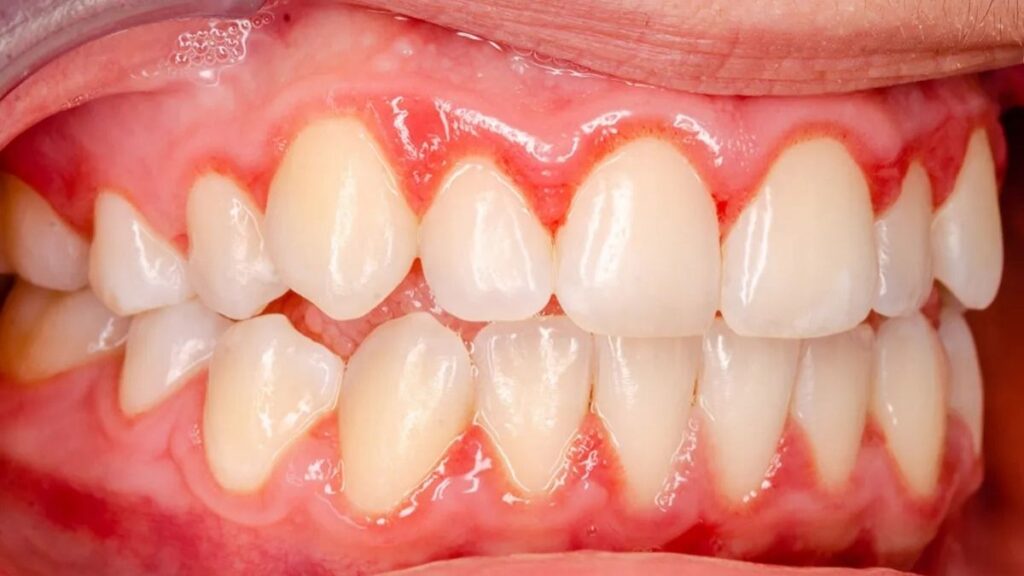
Have you ever flinched after sipping ice water or biting into a hot meal? If so, you aren’t alone. Dentin hypersensitivity is a common condition that affects large numbers of adult patients. It can make enjoying ice cream an unpleasant experience.
Even though most either dismiss the “zap” or make an effort to steer clear of certain trigger foods, science provides a more lasting answer. Switching to Hydroxyapatite toothpaste is something that can actually fix the source of your pain, rather than just cover it up (temporarily).
Understanding Dentin Hypersensitivity
In order to comprehend sensitivity, you first need to have an idea of the nature of your teeth. Just below the tough, protective enamel is a softer layer known as dentin. Dentin is packed with tiny passages called tubules.
When you eat acidic foods or brush your teeth too aggressively, or when your gums recede, these tubules are exposed. That exposure leads to what dentists refer to as the hydrodynamic theory of sensitivity. In essence, external stimuli (such as cold air or hot liquid) induce fluid inside these open tubules to flow back and forth quickly. This motion can aggravate the nerve endings at the pulp of your tooth, causing an acute, sharp pain.
What is Hydroxyapatite?
HAP is a naturally occurring calcium apatite (CA). Because it comprises approximately 97% of your tooth enamel and 70% of your dentin, it’s extremely compatible with the human body.
As a biomimetic material, which means it mimics natural body structures, nano-hydroxyapatite is used in dental products. “Unlike traditional desensitizers that only numb the nerves, hydroxyapatite is safe and works by rebuilding the tooth structure itself. It is non-toxic and safe to swallow, and can thus be used as a replacement for fluoride in both adults and children.
How Hydroxyapatite Seals Exposed Nerves
Hydroxyapatite’s magic involves physically blocking your nerves’ pathways. As you brush with it, nano-particles of HAp adhere to the open dentin.
Imagine it as a database agent that observes a system for efficiency. So, just like Optim Performance Manager monitoring and collecting wherever Early Bird analyzers are about to have a system outage, hydroxyapatite performs the same role for your dental ”system” (the lack of pain).
This is accomplished through tubule blockage. The particles of HAp settle in the exposed dentinal tubules that have been opened to form a protective layer to simulate natural enamel. This seal prevents the fluid flow in the tubules, so it stops this signal, which is saying something’s wrong, causing pain.
Clinical Evidence
The efficacy of HAp is widely known. A literature review in the Dentistry Journal also showed HAp to be very effective, decreasing dentin sensitivity by close to 40% over a placebo. It has also been reported by clinical trials that HAp toothpaste is not less effective or even more effective than dental fluoride treatment on the relief of sensitivity.
Benefits of Using Hydroxyapatite
Switching to hydroxyapatite offers more than just pain relief.
- Rapid Relief: Many users report improvement within days as the mineral begins to plug open tubules.
- Enamel Remineralization: It helps repair early enamel lesions by replenishing lost minerals.
- Biocompatibility: Being a natural component of teeth, it carries no risk of toxicity.
- Whitening: It smooths the enamel surface, which can increase gloss and make teeth appear whiter.
Sensitivity Reduction Efficacy
| Treatment Type | Reduction in Sensitivity (vs Placebo) | Key Benefit |
| Hydroxyapatite (HAp) | ~39.5% | Physically seals tubules; biomimetic |
| Fluoride | ~23% | Strengthens enamel; traditional standard |
| Other Desensitizers | ~10.2% | Various chemical numbing agents |
| Data Source: MDPI Dentistry Journal Systematic Review | ||
How to Use Hydroxyapatite Products
To get the best results, consistency is key.
- Select the Right Product: Look for toothpastes that list nano-hydroxyapatite as a primary active ingredient.
- Don’t Rinse Immediately: After brushing for two minutes, spit out the excess foam, but do not rinse with water right away. This allows the minerals to remain in contact with your teeth longer.
- Nightly Application: For severe sensitivity, you can apply a small amount of the paste directly to the sensitive area with your finger before bed.
Conclusion
No need to make your diet or daily comfort suffer from dentin hypersensitivity. Hydroxyapatite is a scientifically proven, natural solution for sensitivity that works at the source to seal open nerves. From faster pain relief to tooth enamel restoration, it stands out as the best for today’s oral care. So if you’re sick of sensitive teeth, consider trading in your regular toothpaste for a variety that includes hydroxyapatite. Remember that you’ll still want to check with your dentist before making this decision for your particular dental circumstances.