As society’s aging population continues to grow, it becomes increasingly vital to improve the ways older adults experience their later years. The movement toward active aging highlights not just the physical, but also the mental and social aspects of well-being. Within this landscape, wellness-focused communities offer an invaluable framework. These communities, like the renowned Visalia senior living community, provide more than just a residence. They deliver structured support and engagement designed to help residents thrive.
Wellness-focused communities concentrate on creating environments where healthy living, ongoing connection, and a renewed sense of purpose are part of everyday life. By aligning programs and facilities to meet holistic needs, they combat isolation, encourage independence, and foster both learning and connection. The result is an enriched aging experience where every individual can access the tools and support needed for a healthy, meaningful life.
Research has shown that environments that promote physical and social engagement lead to improved health and increased longevity among older adults. In these communities, every activity, service, and gathering is designed with resident well-being in mind, illustrating the clear benefits of investing in wellness-first settings.
To better understand how these communities empower their residents, it helps to examine the key elements that define their unique approach to active aging, including comprehensive wellness programs, cutting-edge technology, and a deep emphasis on community connection.
Comprehensive Wellness Programs
Modern senior living communities are redefining traditional living by introducing dynamic wellness programs tailored to residents’ individual health profiles and interests. These communities do far more than offer amenities. They foster long-term vitality through services such as:
- Fitness Classes: Opportunities to improve balance, strength, and flexibility through yoga, water aerobics, and group exercise, ensuring that physical health and social engagement go hand in hand.
- Nutrition Counseling: Certified nutritionists lead group sessions and one-on-one counseling, offering guidance on meal planning, hydration, and specific dietary needs to support sustained healthy living.
- Mindfulness and Meditation: Workshops in meditation, guided relaxation, and breathing exercises lower anxiety, sharpen focus, and provide crucial mental and emotional support.
Communities that offer a diverse array of wellness activities help build healthy-lifestyle habits, helping guard against many common health concerns associated with aging.
Physical and Social Engagement
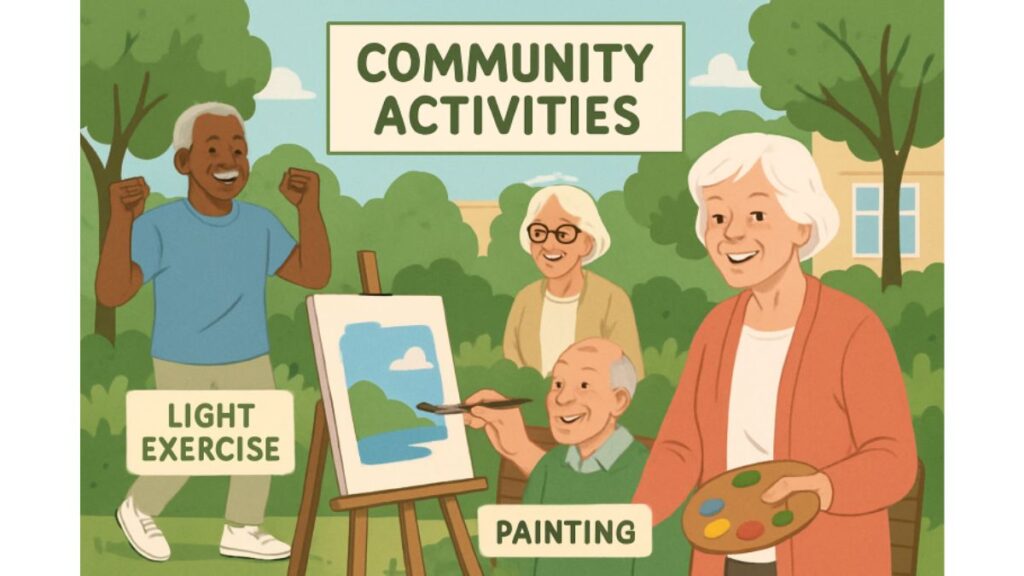
Physical fitness is essential for healthy aging, but meaningful social engagement is equally vital. Leading communities create multiple avenues for both. Walking clubs, nature trails, resident-led workout groups, and sporting events encourage not just physical activity but also foster camaraderie and teamwork.
Social engagement is further amplified through a spectrum of clubs, cultural activities, and seasonal celebrations. Popular activities such as cooking classes, movie nights, and themed dinners provide residents with consistent, enjoyable ways to stay connected. According to the National Institute on Aging, maintaining social ties is crucial for emotional well-being and even cognitive function in older adults.
Lifelong Learning and Personal Development
Active aging is rooted in the pursuit of knowledge and self-improvement at any stage of life. Many senior living communities now partner with local colleges and cultural institutions to offer classes in art, literature, history, and technology. Guest lectures and book discussions keep curiosity alive and minds active.
Art workshops, music therapy, and creative writing groups feature as core offerings, with platforms for residents to present and celebrate their work. These programs not only nurture talent and memory but also foster personal fulfillment and pride, further enhancing overall well-being.
Personal development initiatives are proven to benefit both cognitive health and emotional stability. They help residents maintain agency and identity as they adapt to new phases of life. For additional insight, AARP details the critical relationship between active learning and brain health.
Holistic Health Approach
Forward-thinking wellness communities focus not just on longevity, but on maximizing “healthspan”, the period of life spent in good health, free from serious illness or disability. Integrating fitness, nutrition, spiritual guidance, and access to specialized therapies, these programs are designed around the whole person rather than individual symptoms.
Most communities also offer on-site clinics where residents can receive routine check-ups, therapeutic services, and emotional support, thereby supporting both preventive care and prompt intervention for emerging issues. Support staff and visiting healthcare professionals coordinate to track ongoing health metrics and create personalized care plans for each resident.
This comprehensive approach underlines the importance of addressing all aspects of wellness, physical, mental, and social, to ensure the most resilient aging experience possible.
Technological Integration
Technology impacts nearly every aspect of life, and its role in active aging is no exception. Advanced wearables monitor activity levels, vital signs, and sleep patterns, offering residents and care teams real-time insights into health. Secure digital dashboards let families and healthcare providers stay informed and involved, no matter where they are.
Community apps help residents sign up for classes, browse dining menus, and stay up to date with upcoming social events. Telehealth portals provide convenient access to medical professionals, nutritionists, and therapists without leaving home. Virtual classes and calls also keep residents socially engaged with loved ones far away. Embracing these changes ensures seniors can maintain autonomy and benefit from personalized support in every setting.
Community Connection
Genuine connection is the cornerstone of every great active-aging community. Wellness-driven settings recognize the value of bringing people together, not just during special events, but daily. Group activities, workshops, and peer-led discussions foster an environment of encouragement, acceptance, and trust.
This commitment to social well-being directly combats loneliness and isolation, which are significant risk factors for both mental and physical health issues in aging adults. Residents experience a strong sense of belonging, laying the foundation for lasting friendships and a more profound understanding of home.
Conclusion
Wellness-focused senior living communities are redefining what it means to age well. By offering tailored fitness options, rich educational programs, holistic healthcare, advanced technology solutions, and abundant social opportunities, these communities make active, engaged aging accessible and sustainable. As this approach becomes more common, it not only improves residents’ lives but also sets new standards for the future of senior living everywhere.