Short-term rental management has experienced a rapid transformation as property managers seek ever-greater accuracy and efficiency in preparing homes for guests. Ensuring properties are consistently in top shape directly impacts guest experiences and reviews, which can influence a listing’s future success. With rising expectations, traditional paper-based systems are giving way to more innovative digital tools, and visual checklists are emerging as an effective way to keep homes guest-ready. Leveraging a Cleaning checklist for Airbnb empowers managers and teams to reduce ambiguity, document property conditions, and keep operations streamlined for both recurring and first-time visitors.
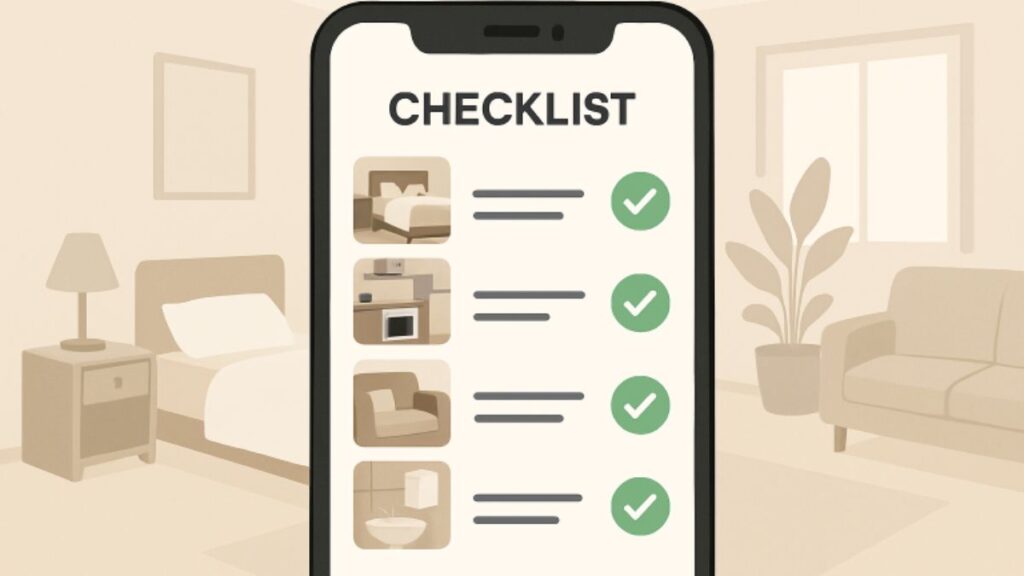
Visual checklists link inspection items to real-time photographs, reducing subjectivity and providing clear documentation for both property owners and cleaning teams. This added transparency helps avoid misunderstandings and creates a more accountable workflow. Not only do digital workflows simplify communication, but they also offer a critical edge in today’s fast-paced rental landscape. Incorporating technology this way also allows for seamless collaboration and quick, data-informed decisions that benefit all stakeholders.
As more managers adopt digital-first practices, property inspections are becoming more accurate and less time-consuming. Photos attached to checklists enable consistent standards across locations and cleaners, which leads to better guest experiences and fewer operational headaches. In an industry where minor errors can quickly spiral into guest complaints or costly disputes, property managers increasingly turn to visual documentation as a foundation for trust and efficiency.
Partners, owners, and operations teams all benefit from being able to check the status of a property remotely with up-to-date images and notes. This connectivity ensures faster response times for repairs and cleaning, allows effortless compliance with local guidelines, and helps identify recurring issues before they become expensive problems. As digital solutions gain traction, the entire rental management process is being reimagined with an eye toward accuracy and service quality.
Enhancing Inspection Accuracy with Visual Checklists
Traditional checklists often rely on written notes or checkmarks, which can miss critical details or introduce ambiguity. Visual checklists change this model by pairing each checklist step with a required photograph, eliminating guesswork around room conditions or completed tasks. For example, when a cleaner encounters wear and tear, such as a stained sofa or wall marks, taking photos as part of the checklist allows both property managers and owners to see exactly what needs attention. This streamlined documentation process not only makes inspections more accurate but also encourages higher accountability standards among cleaning teams. As noted in the Airbnb Cleaning Checklist, detailed documentation can significantly improve property maintenance and guest satisfaction.
Streamlining Operations Through Digital Integration
Managing multiple short-term rentals requires constant communication between property owners, cleaners, and guest services teams. Digital checklists offer real-time updates and remote access, which dramatically reduces administrative back-and-forth. Managers customize templates to fit individual property needs, so when standards change, such as a new COVID-19 protocol or a unique guest request, the checklist is updated instantly across the team. Real-time progress is visible to all stakeholders, significantly decreasing turnaround times for cleaning and repairs.
Reducing Disputes and Improving Tenant Relations
Disputes about property condition can be a significant stressor for both operators and guests. Incorporating photographs into inspection checklists enhances transparency and builds a reliable record of inspection history. If a guest reports an issue after check-in, property managers can review the checklist images to confirm the space’s condition before arrival, making it easier to resolve disagreements quickly and fairly. Not only does this improve guest trust, but it also fosters respect and accountability across all parties.
Facilitating Remote Inspections and Virtual Tours
Remote property management is becoming the norm, especially for managers overseeing multiple units across cities or even states. Visual checklists enable robust remote inspections, allowing managers or owners to review check-in and check-out images from anywhere. This functionality dramatically reduces the need for in-person visits, saving time, lowering costs, and ensuring fast response to maintenance needs. Tools that support virtual tours can even allow guests to preview properties remotely, further enhancing the booking experience. Prominent industry voices, such as Forbes, highlight how these technologies are central to modern property oversight.
Ensuring Compliance and Standardization
Municipalities and short-term rental platforms are tightening regulations around property safety, cleanliness, and documentation. Visual checklists help operators maintain compliance by providing a consistent protocol for every inspection. During regulatory audits or platform disputes, being able to share photo-verified documentation eliminates uncertainty. This kind of standardization also prevents staff from overlooking critical items, reducing liability and safeguarding guest experiences.
Leveraging Analytics for Proactive Maintenance
Photo checklists, when stored digitally, open new possibilities for data-driven decision-making. Property managers reviewing trends across inspection images and notes can quickly spot recurring problems, such as water damage or appliance failures, and implement proactive maintenance schedules. With analytics, the guesswork is removed from preventive care, which can lead to lower repair costs and extended longevity of property assets. As remote asset monitoring and scheduling become more sophisticated, properties can avoid disruptive last-minute fixes and provide a consistently high level of service.
Overcoming Challenges in Implementation
Adopting visual checklist tools across operations does require upfront effort in training and integration. Staff need to become familiar with digital platforms, and managers must communicate the value of photo-based inspections to gain buy-in. Early missteps are easily overcome with hands-on training, clear guidance, and the selection of user-friendly software tailored to short-term rental management. Continuous support and the establishment of feedback channels help ensure sustained success and widespread adoption of these technologies.
Future Trends in Property Inspection Technology
Technology in property management is not standing still. Artificial intelligence and machine learning are beginning to automate parts of the inspection process, allowing image recognition to detect discrepancies or even predict potential issues before they occur. These tools are paving the way for more automated, hands-off inspections and actionable insights, enabling property managers to stay ahead of maintenance issues and regulatory changes. Staying up to date on these advancements will be crucial for property owners and managers who want to remain competitive in this rapidly evolving space.
Integrating visual checklists into short-term rental operations is not just a trend but a necessity for managers seeking a modern, accountable, and guest-friendly approach. Through embracing digital documentation and intelligent analytics, property managers not only enhance operational agility but also set a new industry standard for transparency, trust, and excellence.