
Choosing paint colors that truly suit your home is both an art and a science. The right shade can transform a space, echo your style, and elevate your daily living. With the sheer number of choices available, narrowing down the ideal hues can feel daunting. Whether you’re doing a quick refresh or a full home renovation, skilled interior house painters can help bring your vision to life, but it all starts with making well-informed color decisions.
By understanding how shade, light, and existing décor interact, you can select paint colors that harmonize beautifully. The right approach ensures each room has its own character while maintaining cohesion throughout your home. The following guide offers actionable advice for anyone looking to refresh their living space with new paint.
Understand Your Space
Begin by evaluating the space you intend to paint. The size, ceiling height, and amount of natural and artificial light are crucial in determining what colors may work best. Lighter, cooler shades expand smaller rooms and give an airy feel, while darker paints can introduce depth and intimacy in larger spaces. If your area is north-facing or generally dim, opt for warm or neutral tones that can help reflect available light rather than absorb it.
Also, consider architectural details that may influence your final choice, such as moldings, trim, built-ins, and windows, as well as contrast or accent colors. Visualizing how these elements interact with your wall color can help guide your final selections. Remember, not every surface has to match; sometimes, a cleverly chosen contrasting trim can elevate the space in surprising ways.
Draw Inspiration from Existing Elements
Look around your home for inspiration. Take cues from the colors in permanent fixtures, such as flooring, large rugs, or your favorite artwork. Pulling subtle shades from these items creates a sense of harmony, resulting in a thoughtfully designed appearance. For instance, if you have richly textured wooden furniture, a muted wall color may enhance its natural beauty without overwhelming the room.
Natural materials like stone, tile, and metals can also inspire color direction. Try studying the undertones in granite countertops or metallic fixtures. Are they cool grays, warm taupes, or something bolder? Repeating an undertone from these features on your walls or ceilings creates a sophisticated, layered look.
Consider the Mood You Want to Create
Paint color deeply influences a room’s mood. Blues and greens typically promote relaxation, making them excellent choices for bedrooms or quiet retreats. In contrast, reds, oranges, and yellows infuse energy and warmth, attributes that work well in kitchens, dining areas, and gathering spaces. Visualizing how you want to feel in a space can often lead to the best color decisions.
Think about your lifestyle. Calming tones can help you wind down after a hectic day, while vibrant or playful hues might suit a family game room or creative studio. Earthy, muted tones can ground a busy household, creating a sense of sanctuary, while lighter shades reflect more light, supporting productivity and openness. Always try to align your color choices with how you hope to use and enjoy the space.
Test Paint Samples in Different Lighting
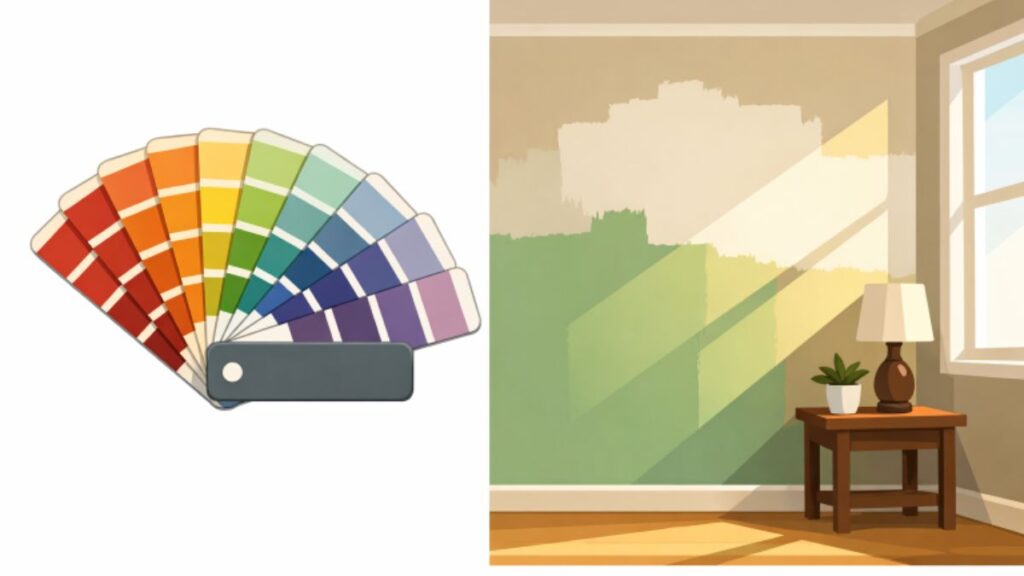
It’s important to see how your potential paint choices look throughout the day. Paint samples directly onto your walls and observe their appearance in morning sunlight, afternoon brightness, and evening artificial light. Subtle undertones or shifts in color can be surprising, and this step prevents regret after the final coat is applied.
Don’t forget that paint may look quite different when applied to large surfaces than when applied to small chips. If you’re torn between two or three options, consider painting multiple sections or using sample boards and moving them throughout the room. This approach provides a better representation of how the finished look will feel across the entire space and helps involve your household in the decision process.
If your plans extend to the exterior, collaborating with experienced exterior house painters can help ensure your exterior is as inviting as your rooms inside.
Harmonize with Adjacent Rooms
Strive for color continuity, especially if you have an open floor plan or rooms that flow into each other. While each space may have a unique tone, selecting complementary shades maintains a visual connection throughout your home without feeling monotonous. Using varying strengths of a favorite hue or relying on a cohesive palette helps achieve this balance.
Transitional spaces like hallways or stairwells can serve as bridges between different palettes, allowing you to introduce intermediate tones or neutrals. This subtle transition can make bold spaces feel more approachable and unify varying themes within your home. The goal is to create a visual journey from room to room with no jarring shifts but plenty of opportunities for individual expression.
Stay Updated with Current Trends
Keeping an eye on current color trends offers inspiration while letting you update your space with a modern flair. Nature-inspired hues like earthy greens, pale taupes, and crisp whites have gained popularity for their calming, adaptable qualities. These colors can be easily layered with other natural shades or bold accents. For more insight, review guidance from trusted sources such as Architectural Digest, which frequently updates on trending paint palettes and what works best for various home styles.
While trends can offer fresh direction and inspiration, your own preferences and the unique features of your home should ultimately guide your choices. Remember that fads come and go, but the right color will always complement your furnishings, lighting conditions, and personal taste. If you enjoy seasonal updates, consider accent walls or smaller spaces like powder rooms for experimenting with bolder, on-trend shades.
Seek Professional Advice
When in doubt, ask a paint professional, interior designer, or color consultant for guidance to clarify your choices. Their experience can narrow down options, address challenging lighting situations, and tailor suggestions to suit your taste and lifestyle. Many professionals have access to advanced color-matching technologies and can recommend quality paints for specific rooms and uses.
Additionally, these experts may suggest finishes such as matte, eggshell, satin, or gloss that best suit your room’s function and desired aesthetic. High-traffic areas might benefit from washable finishes, while a bedroom could benefit from the soft touch of an eggshell finish. Small details like this can have a significant impact on the result, making the expertise of a seasoned painter or designer invaluable.
Conclusion
Selecting the ideal paint colors is a journey that combines practical evaluation, visual testing, and creative inspiration. Focusing on your space’s characteristics, your own preferences, and current color trends will ensure each room feels intentional and inviting. With thoughtful planning, your home will reflect your personality while providing comfort and style for years to come.
Ultimately, the perfect palette feels right for your lifestyle and unique sense of home. Don’t be afraid to trust your instincts and experiment a little. Paint is one of the easiest things to change, making it a great way to keep your living environment feeling fresh, lively, and uniquely yours. Enjoy the process, and remember that a well-chosen color scheme can bring joy and inspiration to your everyday life.