
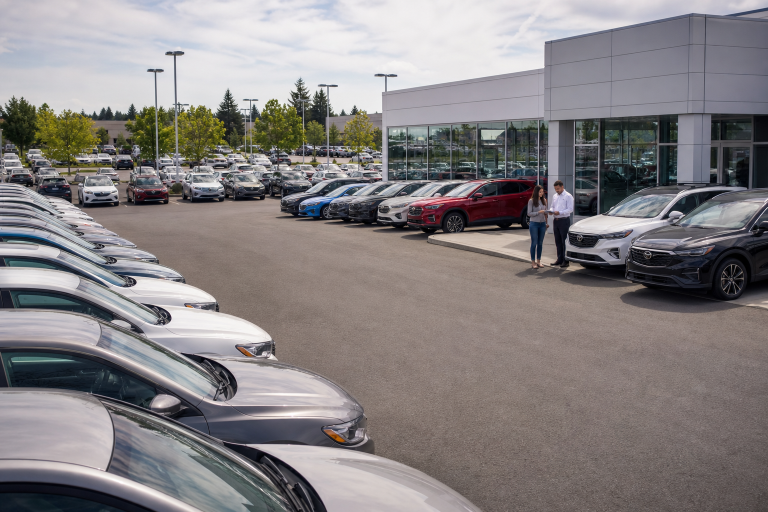
Choosing between a new, used, or certified pre-owned vehicle is about more than finding the lowest sticker price. The best fit depends on your budget, driving habits, comfort with repair risk, and how long you expect to keep the vehicle. For shoppers beginning their search, learn more about available vehicle options before narrowing the field to a few models.
A careful comparison can prevent a seemingly affordable vehicle from becoming the more expensive choice over time. Purchase price, insurance, fuel or charging, loan interest, maintenance, warranty coverage, and resale value all deserve a place in the decision.
Start With Your Actual Driving Needs
Before comparing listings, write down what the vehicle must do. Consider daily commuting distance, passenger capacity, cargo room, winter weather, parking conditions, towing needs, road-trip comfort, and expected ownership length. A first-time buyer may value low operating costs and simple controls, while a growing family may need rear-seat access, safety features, and flexible cargo space.
Separate must-have features from nice-to-have upgrades. Buying more truck, luxury equipment, or performance than you will realistically use can increase the purchase price, insurance premiums, fuel costs, and repair expenses without delivering meaningful value.
Set a Complete Vehicle Budget
A monthly payment alone does not show whether a vehicle fits your finances. Build a full budget that includes the down payment, taxes, registration, loan interest, insurance, fuel or electricity, routine service, tires, repairs, and parking or toll costs where applicable. Keep a reserve for unexpected maintenance, especially when considering an older vehicle.
Ask every seller for an out-the-door price in writing. That figure should include the vehicle price, required fees, taxes, and any dealer-installed accessories. It gives you a consistent starting point for comparing choices that may have very different advertised prices.
Compare New Vehicles
New vehicles offer the latest safety technology, current infotainment systems, a full factory warranty, and the ability to choose a preferred trim, color, and equipment package. They can be especially appealing for drivers who plan to keep one vehicle for many years and want predictable ownership during the early years.
The trade-off is usually a higher purchase price and faster depreciation shortly after purchase. New models may also carry higher insurance costs. Manufacturer incentives and promotional financing can improve the numbers, but compare the complete purchase agreement rather than focusing only on a low advertised payment.
Compare Standard Used Vehicles
Used vehicles generally provide a lower starting price and can put a higher trim level, larger vehicle, or premium features within reach. However, age is not the whole story. A well-maintained vehicle with moderate mileage can be a better value than a newer vehicle with poor service records, accident damage, or neglected maintenance.
Review the title status, ownership history, maintenance records, reported damage, mileage, and condition before making an offer. The FTC explains that used-car shoppers should review the Buyer’s Guide, vehicle history information, warranty terms, inspection options, and payment details when buying a used car from a dealer.
Compare Certified Pre-Owned Vehicles
Certified pre-owned, often called CPO, vehicles are used vehicles that meet a manufacturer or dealer program’s eligibility and inspection requirements. Programs may include a limited warranty, roadside assistance, special financing, or other benefits that reduce some of the uncertainty associated with a standard used vehicle.
Certification is not identical across brands. Ask for the full inspection checklist, warranty duration, mileage limits, deductible amount, excluded components, and repair-location rules. A CPO vehicle often costs more than a similar non-certified example, so decide whether the added coverage and inspection support justify the premium.
Compare the Ownership Picture
- Starting price: New vehicles are usually the most expensive, standard used vehicles are often the least expensive, and CPO vehicles commonly fall in between.
- Warranty protection: New vehicles typically offer the strongest factory coverage. Used coverage varies widely. CPO vehicles may add limited coverage beyond any remaining factory warranty.
- Depreciation: New vehicles often experience the largest early decline in value. Used and CPO vehicles may have less early depreciation remaining.
- Repair uncertainty: New vehicles usually have lower early repair risk, while used vehicles depend heavily on condition and care. CPO inspections and warranties can reduce, but not eliminate, uncertainty.
- Selection: New vehicles allow the most configuration choice, while used and CPO shoppers may need patience to find the right color, trim, mileage, and history.
Check Safety, History, and Warranty Details
Verify that the vehicle identification number matches the title and vehicle paperwork. Review records for ownership changes, reported collisions, flood damage, salvage branding, and major maintenance. Also, check open safety recalls through the vehicle identification number recall lookup before completing a purchase. A recall search is important, but it does not replace a mechanical inspection.
Know the difference between a factory warranty, CPO warranty, dealer warranty, and service contract. Confirm which parts are covered, how long coverage lasts, whether a deductible applies, where repairs can be performed, and which failures are excluded. A low-priced vehicle can become costly quickly if it needs transmission, engine, battery, suspension, or electronics work soon after purchase.
Compare Financing and Trade-In Numbers
Two vehicles with similar prices can create very different loan costs. Compare the annual percentage rate, loan length, down payment, total interest, and total amount paid. Longer terms can lower the monthly payment while increasing interest costs and the risk of owing more than the vehicle is worth.
If you have a trade-in, negotiate the purchase price and trade value as separate figures. A trade-in can reduce the amount financed, but remaining loan debt can be rolled into the new loan and make the transaction appear better than it is.
Take a Practical Test Drive
- Drive on local streets and, when possible, at highway speeds.
- Test braking, steering, acceleration, visibility, ride quality, and parking ease.
- Try the climate controls, cameras, lights, screens, and driver-assistance features.
- Listen for unusual noises while turning, braking, and accelerating.
- Check seat comfort, rear-seat access, cargo space, and child-seat compatibility if relevant.
- Arrange an independent inspection before buying a used or CPO vehicle.
Questions to Ask Before Signing
- What is the full out-the-door price?
- Is the vehicle sold with a warranty or as-is?
- Can I review the history report and recent service records?
- Has the vehicle had reported damage, major repairs, or title issues?
- Are there open recalls or outstanding maintenance needs?
- What fees, accessories, or protection products are included?
- What will I pay in total over the life of the loan?
Choose the Category That Matches Your Priorities
Choose new when the newest features, full factory coverage, and long-term ownership are your leading priorities. Choose used when price matters most and the vehicle has strong records, sound condition, and a clean inspection. Choose certified pre-owned when added inspection standards and warranty support are worth paying more than a comparable standard used vehicle.
The strongest choice is not determined by category alone. Compare the exact vehicles in front of you, review every cost, inspect the details, and choose the option that provides the best balance of value, reliability, and confidence for your needs.