
Introduction
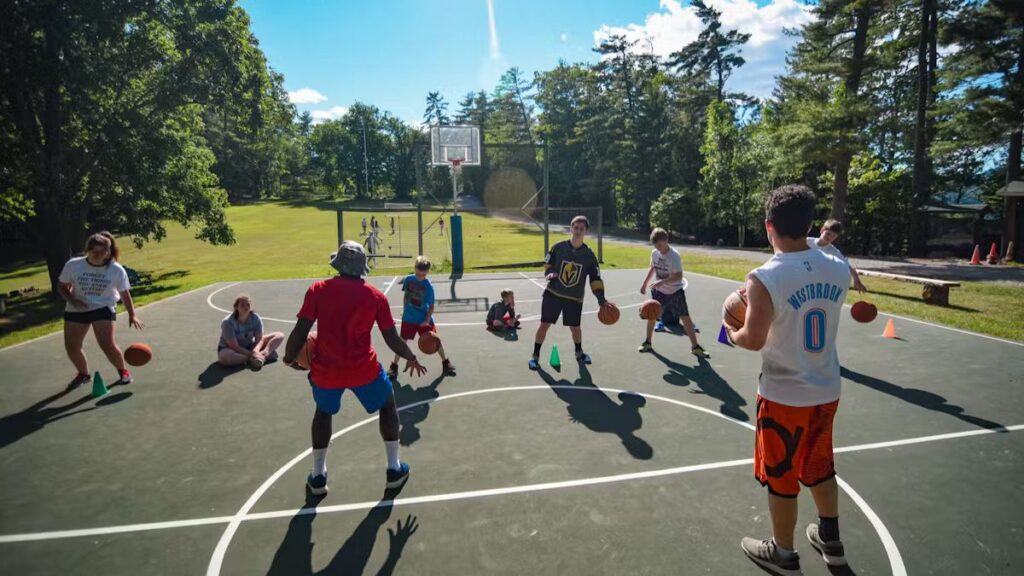
Participating in youth basketball programs offers young athletes the chance to develop both their athletic skills and personal character. These programs emphasize foundational values such as teamwork, discipline, and leadership, all of which are crucial for personal growth during formative years. For instance, Sharks Basketball Academy Youth Basketball Chicago offers comprehensive training for youth in the Chicagoland area, focusing on skill enhancement and fostering a sense of responsibility, perseverance, and mutual respect. Located in Melrose Park, IL, the academy serves a broad range of athletes, from beginners to advanced players, providing structured training and real competition to develop not only technically skilled but also confident, resilient, and community-minded individuals. Such programs help set the stage for lifelong fitness, friendship, and ethical leadership.
Life Skills Development
Participation in basketball teaches valuable life skills that extend far beyond the basics of passing, dribbling, and shooting. Young athletes learn to operate as part of a team, understanding that mutual support and collaboration often lead to success both on the court and in life. Communication becomes a core lesson, as players must learn to listen effectively, express themselves constructively, and provide encouragement under pressure. Furthermore, basketball uniquely teaches the skill of handling both success and failure with grace; losing an important game or making a costly mistake often provides essential lessons in resilience, humility, and sportsmanship.
Academic and Social Benefits
Research has shown that students involved in sports tend to perform better academically. The discipline and time management required in basketball can translate to improved focus and performance in the classroom. Establishing a schedule that includes practices and games encourages young athletes to develop strong study habits, prioritize responsibilities, and use their time wisely. Participation in a basketball program also offers a strong sense of belonging and helps students develop friendships with peers who share similar interests. These friendships can provide valuable support systems, helping youths navigate both academic and social challenges. As participants develop their interpersonal skills, learn to celebrate diversity, and collaborate with teammates from various backgrounds, their communication and conflict-resolution abilities also grow stronger. Through exposure to constructive feedback and teamwork, students develop self-confidence and learn to persevere in the face of obstacles that may arise in both their academic and personal lives. Moreover, basketball can serve as a motivating factor, encouraging students to maintain good grades to remain eligible for participation and scholarships, thereby contributing to a balanced and healthy lifestyle overall.
Community Engagement
Programs unite youth with local police officers to foster trust and understanding within communities. This 10-week program combines basketball training with a leadership and cultural competency curriculum that covers fundamental topics, including identity, bias, privilege, racism, and leadership. Such initiatives provide a shared space where young people and community leaders can interact in a positive, nonjudgmental environment, breaking down stereotypes on both sides and fostering open dialogue. Youth participants gain a deeper understanding of societal issues, develop respect for authority figures, and learn about civic responsibility. Police officers, in turn, gain firsthand knowledge of the challenges facing youth in their neighborhoods, which can strengthen relationships, build bridges, and reduce tension. As a result, these initiatives contribute to safer, more cohesive communities where mutual respect and understanding thrive. In many cases, engaged participants go on to serve their communities in leadership roles, inspired by the positive examples and mentorship they encountered through basketball.
Final Thoughts
Youth basketball programs play a crucial role in shaping the future of young athletes, offering numerous benefits that extend far beyond the court. By focusing on skill development, character building, and community engagement, these programs prepare participants for success in countless areas of life. Whether through improved academic performance, increased social confidence, or the ability to resolve conflict peacefully, the lessons gained on the hardwood often translate to everyday achievements and fulfillment. Most importantly, these programs equip youths with the resilience, leadership, and teamwork skills necessary to thrive as healthy, responsible, and contributing members of their communities, laying the foundation for a lifetime of success and civic engagement.