
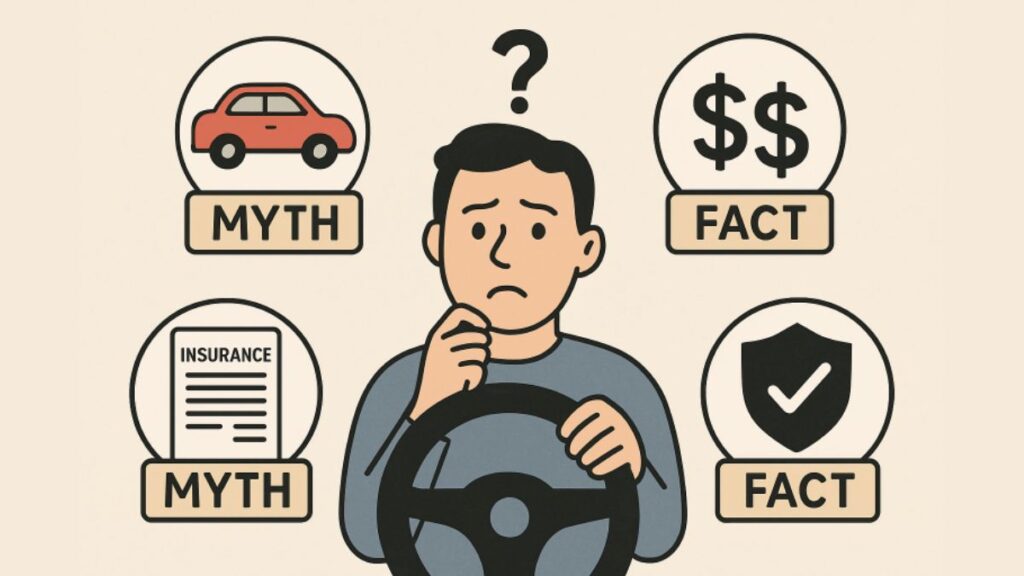
Car insurance is essential for protecting your finances and peace of mind as a driver. Still, there’s a surprising amount of misinformation about how claims work and what your policy actually covers. False beliefs can result in inadequate protection and unexpected out-of-pocket costs after an accident. Whether you’re renewing your policy or have just been involved in an accident, knowing the facts—or having a trusted car accident insurance attorney on your side—can make all the difference.
Many drivers rely on incorrect information picked up from friends, the internet, or advertising, which can lead to costly mistakes. Sorting fact from fiction is crucial, especially with the range of policies and options available. Understanding what your insurance does and doesn’t cover ensures fewer surprises, better protection, and potentially lower premiums down the road.
The reality of insurance is more nuanced than the popular myths suggest. Far from being a one-size-fits-all product, auto insurance policies are highly customizable, and seemingly minor details in your coverage can have a significant impact on the claims process. If you want advice on your claim or policy situation, contacting a professional can clarify these details.
Myth 1: Red Cars Cost More to Insure
One common misconception is that driving a red car will increase your insurance rates, because insurers believe these vehicles are associated with a higher risk of speeding or accidents. If you’re ever involved in an accident, consulting a personal injury lawyer in Austell, GA can help you understand your rights and navigate potential claims. In reality, insurance companies do not consider the color of your car when determining your premiums. Instead, they focus on details such as the vehicle’s make, model, age, safety features, and claims history.
Myth 2: Comprehensive Coverage Protects Against All Damages
The term “comprehensive coverage” is misleading and leads many drivers to assume their policy will cover any possible damage to their vehicle. In truth, comprehensive coverage only pays for damages resulting from non-collision events such as theft, fire, vandalism, falling objects, or weather damage. Accidents involving other vehicles or stationary objects require collision coverage.
Myth 3: Filing a Claim Will Always Increase Your Premiums
Understandably, drivers worry that filing any claim will automatically increase rates. While rates might go up after specific claims—especially at-fault accidents, multiple claims in a short period, or high-value payouts—a single, minor claim doesn’t always result in higher premiums. Insurers look at fault, claim size, and your past claims history. Sometimes, not filing a claim leads to more out-of-pocket costs when you actually need coverage. Most companies consider the big picture when re-evaluating your renewal rate, and some even offer accident forgiveness for your first at-fault claim.
Myth 4: Minimum State-Required Insurance Is Sufficient
Many drivers opt for only the minimum coverage required by their state to save money on premiums. However, these minimums usually provide only barebones liability protection—enough to cover damages to others, but rarely sufficient if you’re held responsible for serious injuries or property damages. Medical bills, vehicle repairs, and lawsuits can quickly exceed the state-mandated minimums. It’s wise to review your coverage limits regularly and increase your protection if your financial situation changes or you acquire more assets.
Myth 5: Credit Scores Don’t Affect Insurance Rates
Your credit score plays a bigger role in your insurance costs than many people realize. In most states, insurers use credit-based insurance scores to evaluate risk. Research shows that drivers with lower credit scores are statistically more likely to file insurance claims. As a result, a poor credit score can raise your premiums, while improving your score can help reduce them over time. However, a handful of states—including California, Hawaii, and Massachusetts—prohibit the use of credit scores for determining car insurance rates, so it’s essential to know the rules where you live.
Myth 6: Personal Belongings Inside the Car Are Covered
Many policyholders believe their auto policy covers theft or loss of personal items, such as laptops or purses, left inside the vehicle. In most cases, this is not true. Standard auto insurance only covers factory equipment permanently attached to the car. Personal property inside the car is usually covered by homeowners’ or renters’ insurance. Make sure to read your policy’s details or consult your agent to see which policy you’d need to claim lost or stolen belongings.
Myth 7: Older Drivers Always Pay Less for Insurance
While younger drivers often face higher premiums due to inexperience and higher accident rates, it’s incorrect to assume that insurance costs continually drop as you age. In fact, after a certain age—especially past 65 or 70—premiums can rise again due to increased risk factors, such as slowed reaction times or age-related health concerns. Insurers weigh many factors, including years of driving experience, claims history, and health, when setting premiums for older adults.
Myth 8: Insurance Follows the Driver, Not the Car
Another widespread misconception is that your auto insurance will cover you no matter what vehicle you drive, or conversely, that any driver in your car is automatically covered under your policy. In reality, car insurance usually “follows the car”—meaning if you let someone else drive your vehicle and they’re involved in an accident, your policy typically pays for damages first. Exceptions may apply, such as when a car is borrowed without permission or the driver isn’t listed on your policy.
Dispelling these common car insurance myths helps drivers make smarter decisions about their coverage. Knowing your policy details and how insurance companies approach claims can spare you from financial setbacks and ensure you and your loved ones are protected on the road.