
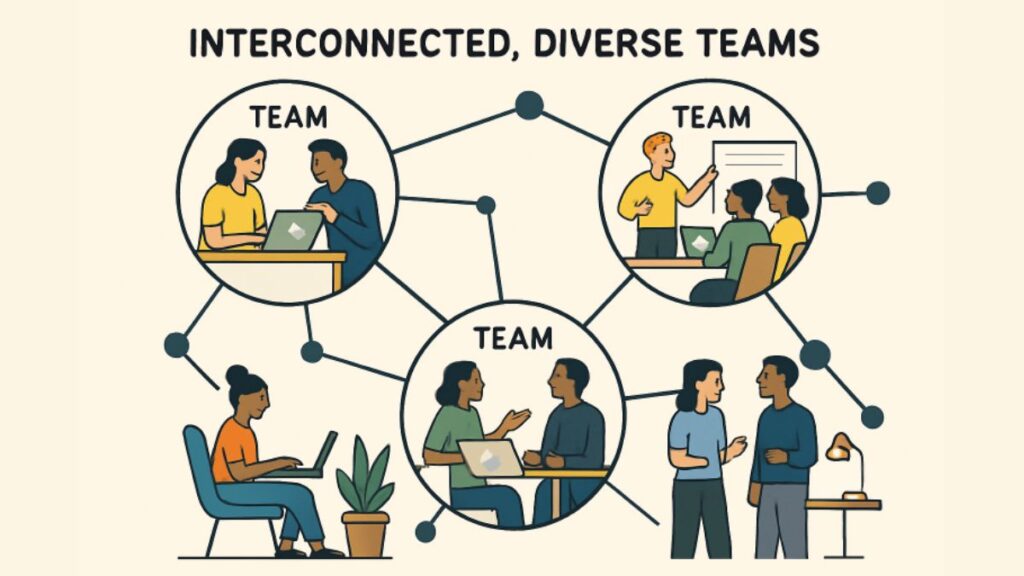
Modern organizations face unprecedented challenges as they adapt to a fast-evolving business landscape marked by disruptive technologies, shifting workforce expectations, and global connectivity. One of the most crucial responses is revamping organizational structures to drive innovation, collaboration, and agility. Companies seeking transformative change often turn to organizational design services for expert guidance in creating systems that empower employees and unlock competitive advantage.
Adopting effective organizational designs not only accelerates decision-making but also nurtures a culture of transparency and trust. This helps organizations move away from rigid hierarchies to embrace fluid, dynamic ways of working. By reimagining their structure, forward-thinking firms can better align teams with strategic goals, ensure knowledge flows freely, and maximize the potential of their talent.
As leaders seek to future-proof their organizations, embracing principles such as decentralization, cross-functional collaboration, and digital integration has become increasingly essential. Across sectors, businesses are recognizing that well-designed structures cultivate resilience and allow them to respond quickly to market trends.
The strategies outlined below draw upon real-world examples and leading research to help organizations navigate changes and thrive in today’s rapidly shifting environment.
Embracing Flat and Decentralized Structures
Traditional top-down hierarchies are increasingly being replaced by flat, decentralized structures that distribute authority and foster a sense of ownership among employees. Companies like Zappos famously adopted holacracy a system that eliminates conventional management roles and gives teams the freedom to self-organize. Similarly, GitHub scaled rapidly by enabling teams to have significant autonomy, accelerating internal communication, and driving innovation. By reducing layers of middle management, these organizations allow faster decision-making and empower employees at all levels.
Flat structures may not be suitable for every business, but they encourage direct accountability and full transparency. Research from Harvard Business Review shows that flattening hierarchies can also lead to stronger engagement and improved performance, especially when creativity and agility are prioritized.
Leveraging Network and Virtual Organizations
The rise of remote work and digital connectivity has enabled the growth of network and virtual organizations that organize teams and resources across different geographies. Cisco, for example, operates using a highly flexible network of teams that collaborate virtually across time zones, driving continuous innovation and global responsiveness. Similarly, Uber’s business model relies on connecting a distributed network of drivers and users via digital platforms, scaling operations globally without a traditional structure.
These fluid, agile structures enable organizations to tap into global talent and respond swiftly to changes. Adopting network models can provide access to expertise wherever it resides, allowing organizations, both large and small, to operate with the agility previously available only to startups.
Implementing Self-Managed and Cross-Functional Teams
Self-managed teams operate with autonomy, making key decisions without needing approval from higher-ups. Industry leaders like Valve and Morning Star empower teams to define goals, distribute work, and hold one another accountable. This approach promotes a sense of purpose and innovation, as each member contributes their unique expertise while learning from others. Cross-functional teams further drive results by breaking down silos between departments and blending diverse skills, often essential for quickly developing new products or services.
Well-designed cross-functional teams result in faster time-to-market, shared accountability, and improved customer satisfaction. According to a McKinsey analysis, organizations that rely on self-managed and cross-functional teams are more adaptable, better at solving complex problems, and ultimately more competitive.
Adopting Agile and Lean Methodologies
Agile and lean methodologies transcend functional boundaries and are now widely applied beyond their origins in the software industry. Spotify, for instance, uses a “squad” model, where small, autonomous teams collaborate on various aspects of the customer experience. ING Bank applies agile principles throughout its operations, resulting in enhanced adaptability and a stronger focus on customer needs. These approaches allow organizations to break delivery into iterative cycles, experiment quickly, and incorporate feedback in real time.
Implementing agile and lean practices isn’t just about process it requires a culture shift and supportive leadership. By making teams accountable for outcomes rather than processes, these methodologies cultivate transparency, flexibility, and continual improvement.
Developing Hybrid and Flexible Structures
Modern organizations are increasingly combining elements of both traditional and contemporary structures to create custom designs tailored to evolving workforce needs. Unilever, for example, blends hierarchical management with decentralized teams, allowing for both strategic oversight and operational agility. Atlassian’s hybrid approach enables employees to work remotely or in person, accommodating varying work styles and personal requirements.
Hybrid structures are especially effective in diverse, global workforces, as they can cater to different leadership preferences and cultural norms. Flexibility in structure helps organizations attract top talent and foster inclusivity, improving employee engagement and retention.
Integrating Technology into Organizational Design
The infusion of technology into organizational design is transforming how companies optimize workflows, manage teams, and forecast needs. Artificial intelligence (AI) and data analytics enable the creation of dynamic, data-driven structures, allowing organizations to predict skills gaps, allocate resources efficiently, and surface new business opportunities. For example, workforce analytics can help managers visualize the flow of knowledge and pinpoint areas for intervention or investment.
Digital transformation in organizational design also enhances transparency and real-time communication, allowing leaders to base decisions on data rather than intuition. As Forbes highlights, integrating technology into the design process paves the way for smarter, more adaptive organizations.
Redesigning HR Functions for Strategic Alignment
Human Resources (HR) plays a pivotal role in shaping organizational structure. Strategic redesign of the HR function ensures alignment with business goals and addresses contemporary challenges such as global talent scarcity, technological disruption, and shifting employee expectations. Leading firms now position HR as a consultancy within the organization, partnering with leaders to anticipate talent needs and foster a high-performing culture.
By reconfiguring HR to focus on strategic impact—rather than just administration organizations ensure they remain competitive and can continually attract, nurture, and retain top talent.
Conclusion
Crafting an effective organizational structure is a complex, ongoing process that underpins agility, innovation, and long-term success. By adopting flat, networked, agile, and hybrid models and leveraging technology and strategic HR functions, organizations set the stage for future growth. Proactive leaders who champion thoughtful design are best positioned to create workplaces where employees thrive and deliver breakthrough results.