
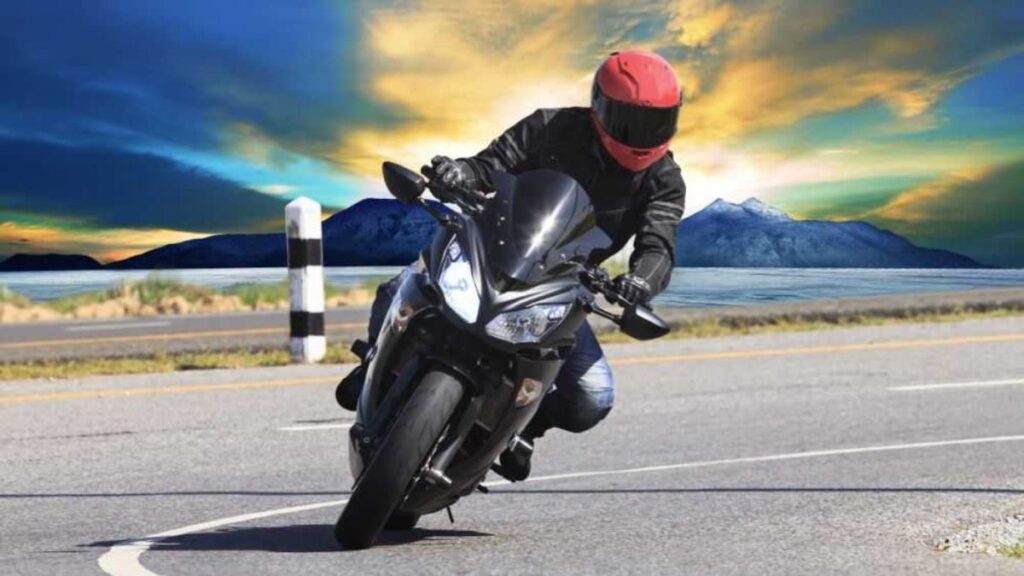
Riding a motorcycle offers a unique sense of adventure and freedom, but it also carries considerable responsibility. Every rider faces greater risks than other motorists and must be proactive about staying safe. The best way to enjoy your motorcycle for years to come is to understand and adopt proven safety practices. If you ever need legal assistance after an accident, LawBike Motorcycle Injury Lawyers can provide valuable support tailored specifically for riders.
Motorcycle accidents can lead to severe consequences, which is why protecting yourself should always be the top priority. Defensive riding, proper gear, vehicle maintenance, and ongoing training can significantly decrease your chance of an accident. By making safety a core habit, you help ensure that every ride is as safe as it is exhilarating.
Practicing these fundamentals forms the foundation of motorcycle safety on any terrain and under any conditions. Never underestimate the value of continual rider education or the importance of adhering to legal requirements in your area. Your safety on the road is a daily commitment.
Wear a DOT-Compliant Helmet
Choosing the right helmet is the single most essential decision you can make before mounting your motorcycle. Helmets that are U.S. Department of Transportation (DOT) compliant are specifically engineered to protect your head from severe trauma. Look closely for the DOT certification symbol on the helmet’s rear to confirm it meets rigorous federal standards. Data from the National Highway Traffic Safety Administration show that motorcyclists who wear helmets substantially reduce their risk of fatal head injuries.
Enhance Your Visibility
Visibility is one of a motorcyclist’s biggest challenges on busy roads. Since motorcycles are compact and can easily disappear in another driver’s blind spot, taking measures to enhance visibility is vital. Consider wearing bright or reflective clothing that draws attention to your presence, and always keep your headlights on, regardless of the time of day. When turning or changing lanes, use your signals well in advance. These efforts have been proven to reduce the likelihood that other motorists will overlook you, a common cause of accidents.
Maintain Safe Distances
Keeping an appropriate distance from surrounding vehicles is critical. Motorcycles can stop more quickly than most cars and trucks, so having enough space to react to unexpected road conditions is key. Avoid lingering in blind spots, and never assume that other drivers can see you or are aware of your movements. Maintain a comfortable buffer zone in traffic, especially during inclement weather or on poorly maintained roads.
Regular Motorcycle Maintenance
Maintaining your motorcycle is about more than performance; it is about safety. Before every trip, conduct a quick inspection of tire pressure and tread depth, ensure your brakes and lights are functioning properly, and check vital fluid levels. Proactive maintenance can help prevent malfunctions that might cause accidents. Scheduling professional service at the recommended intervals is also an effective way to keep your motorcycle roadworthy and resilient.
Ride Sober and Alert
Riding while impaired is never worth the risk. Alcohol and drugs negatively affect your judgment, coordination, perception, and reaction time. Even small amounts can significantly increase the likelihood of a crash. Fatigue can be just as dangerous, impeding your concentration and slowing your responsiveness. Always make sure that you are fully alert and unimpaired before taking your motorcycle on the road.
Stay Informed and Trained
Ongoing education is one of the cornerstones of safe motorcycling. Take advantage of local motorcycle rider courses, many of which refresh critical skills and teach the latest safety techniques. The Colorado State Patrol’s Motorcycle Operator Safety Training (MOST) program provides opportunities for both new and experienced riders to improve their abilities. Participating in continuing education can help you manage emergencies and anticipate hazards more effectively.
Rider training programs not only elevate individual skill levels but also enhance overall traffic safety, as highlighted by Allstate resources that outline best practices for responsible motorcycling.
Conclusion
Taking these safety measures to heart is the most reliable way to enjoy the excitement of motorcycling while minimizing your exposure to risk. Being visible, wearing protective gear, staying sober, and keeping your bike in top shape are practices that every responsible rider should follow. Safety on the road is a shared responsibility among all motorists, but motorcyclists must take extra care to protect themselves. Remain vigilant, proactive, and committed to continual learning. These habits will keep you safer, so you can enjoy every ride with peace of mind.