
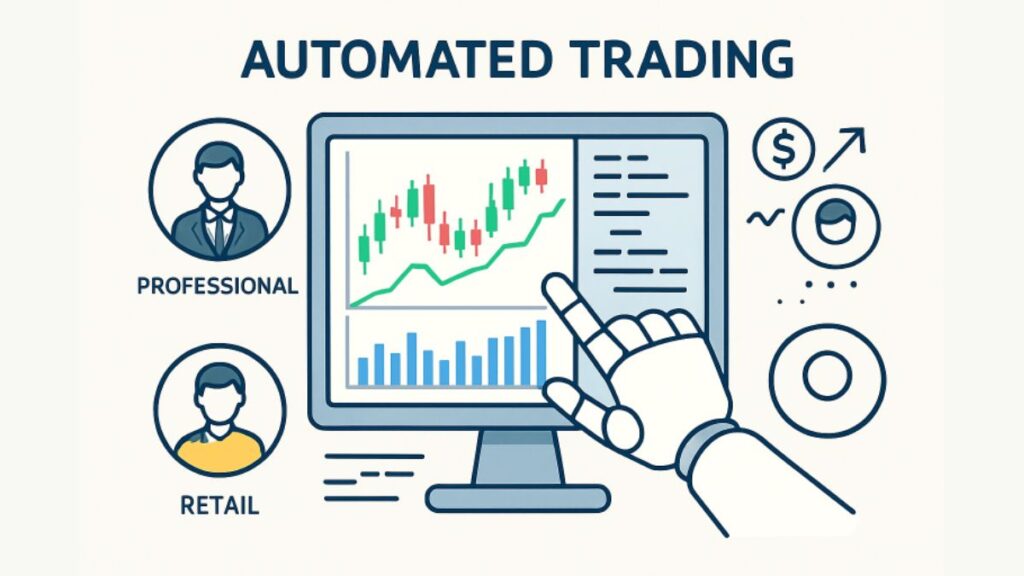
Automation has become the driving force in today’s financial markets, streamlining the execution, monitoring, and management of trades. With a trade order management system, both institutional and retail traders can capitalize on emerging opportunities, operate more efficiently, and reduce manual errors. The introduction of automation has also increased transparency and lowered entry barriers, enabling a broader set of investors to participate in complex markets.
Beyond operational efficiency, automation on trading platforms delivers powerful analytics and real-time data, empowering market participants to respond swiftly to changing conditions. These advancements have led to the rise of algorithmic trading, the integration of artificial intelligence, and a fundamental shift in how market liquidity and volatility are managed. As automation continues to evolve, it is reshaping the relationship between technology and finance, and setting new standards for speed and accuracy.
The Rise of Algorithmic Trading
The ascent of algorithmic trading represents a pivotal shift in how global markets operate. Through sophisticated computer programs that follow strict criteria, trades can be executed at speeds and volumes far beyond human capability. By 2019, algorithmic trading accounted for about 92% of all foreign exchange transactions, highlighting its growing influence in both developed and emerging markets. Algorithmic trading now underpins much of the daily activity on major exchanges, significantly improving market liquidity and efficiency.
High-Frequency Trading and Market Structure
Within algorithmic trading, high-frequency trading (HFT) is a powerful subset. HFT strategies involve executing thousands of orders per second to exploit minor price discrepancies across markets. In equities, HFT commands between 10 and 40% of all trading volume, while accounting for 10 to 15% in foreign exchange and commodity markets. The rapid-fire nature of HFT brings benefits such as tighter spreads and improved liquidity; however, it can also amplify market volatility when unexpected news or events disrupt programmed trading strategies.
Impact on Market Dynamics
The broad adoption of automation has altered the foundational structures of modern markets. Trades that once took minutes can now be completed in milliseconds, reducing latency and slippage. As market speeds increase, the demand for robust infrastructure and dependable connectivity also rises. Importantly, the role of professional traders has shifted from manual order placement to strategy development, oversight, and risk management. The balance between liquidity and volatility is carefully monitored by regulators and market stakeholders, especially following incidents such as the 2010 “Flash Crash,” which underscored the need for continued vigilance.
Accessibility for Retail Investors
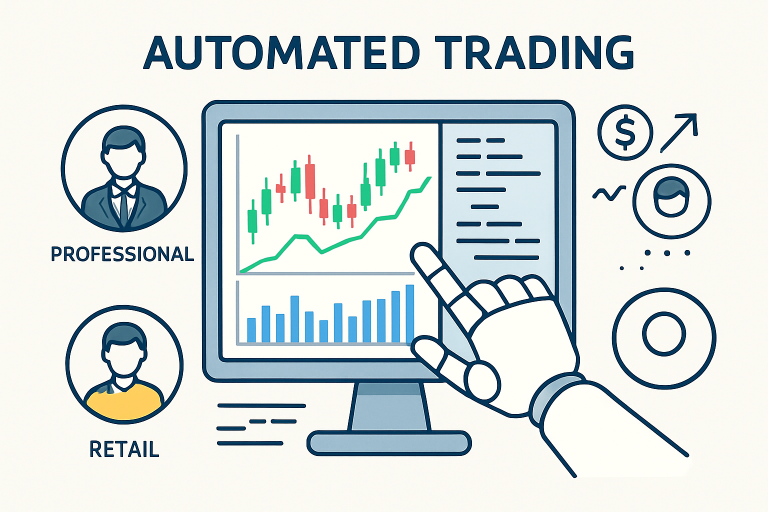
One of the most significant impacts of trading automation is its leveling of the playing field for individual investors. Major brokerages like TD Ameritrade and Interactive Brokers now offer retail clients algorithmic trading capabilities, including platforms for developing and testing custom strategies. These resources, paired with transparent pricing and educational content, enable retail traders to compete in markets once dominated by large institutions. As reported by Investopedia, democratization of trading tools is creating new opportunities for personal wealth growth while empowering individuals to learn advanced market techniques.
Integration of AI and Machine Learning
Automation in trading platforms goes far beyond rule-based algorithms. Artificial intelligence (AI) and machine learning are increasingly being used to analyze large datasets, detect complex patterns, and make informed trading decisions. AI-driven trading systems can dynamically adjust positions based on real-time inputs, such as account equity, asset correlations, and shifting volatility, optimizing performance while minimizing risk exposure. These advanced systems are being adopted not only by hedge funds and proprietary trading firms but also by a growing number of private traders seeking a competitive advantage.
Real-Time Data and News Feeds
Access to real-time market data is crucial in the era of automated trading. Automated news and data feeds deliver instantaneous information on global events, economic releases, and geopolitical developments. Traders can then react within milliseconds, often using natural language processing algorithms to interpret and act on new information as it becomes available. This integration increases both speed and accuracy, allowing trading strategies to adapt on the fly and capitalize on fleeting opportunities.
Challenges and Considerations
Despite its many benefits, automation in trading is not without risks or complexities. Heavy reliance on algorithms can sometimes exacerbate market swings during unforeseen circumstances. Technical glitches, coding errors, or flawed assumptions can lead to adverse outcomes, requiring ongoing oversight and careful calibration. Comprehensive risk management, including circuit breakers, real-time monitoring, and diversified strategies, remains critical. For those new to automated trading, continual education and system testing are strongly recommended to reduce the learning curve and avoid costly mistakes.
Future Outlook
The automation trend in trading shows no signs of abating. Technological innovations continue to fuel new frontiers, from fully adaptive AI-driven systems to integrated analytics platforms that offer real-time insights. Trading platforms are rapidly evolving to meet the needs of both professional and retail investors, providing robust tools and deeper market access. The future landscape will be shaped by advances in connectivity, data science, and machine learning, further enhancing speed and precision in financial markets. As these trends unfold, staying informed and adaptable will be essential for all market participants.
Automation is fundamentally changing the face of trading platforms, delivering greater efficiency, broader access, and enhanced analytical capabilities. While the challenges of technology and risk persist, the continual evolution of automated trading systems is opening new horizons for the financial industry and the investors who drive it.