
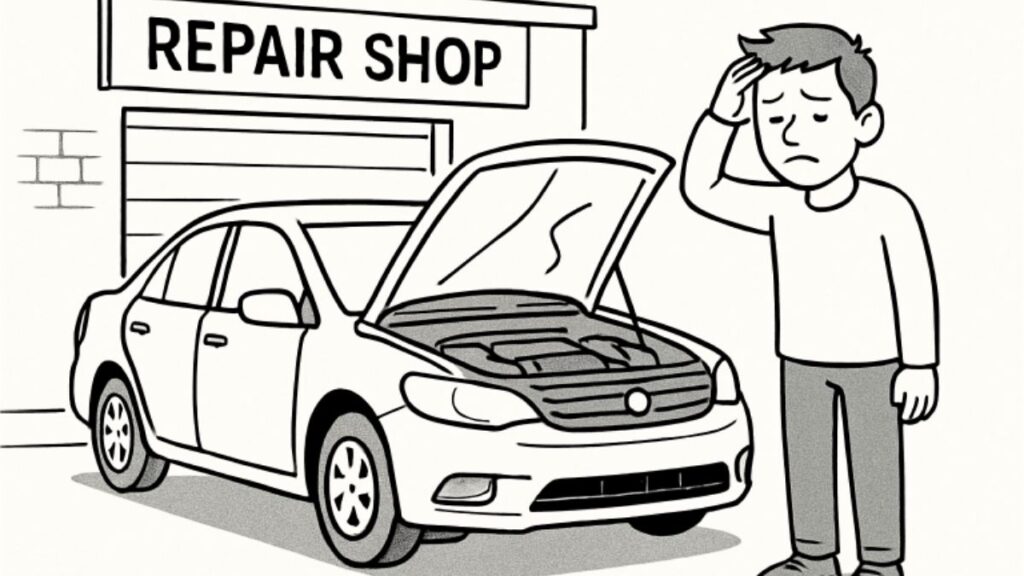
Discovering that your new car is not living up to expectations—constantly breaking down or spending time in the repair shop—can be a significant setback for any car owner. Not only is it frustrating and stressful, but it can also jeopardize your safety and finances. Fortunately, knowing your rights and the proper steps to take can make all the difference if you’re facing a lemon vehicle situation. If you require legal guidance, an Arkansas lemon law attorney can provide the local expertise you need to protect your consumer rights and pursue a just resolution.
Lemon laws exist to provide recourse for new and used car buyers who’ve unfortunately ended up with vehicles plagued by repeated defects. These laws are designed to hold manufacturers accountable, but navigating the process can be complex. This guide covers everything from identifying a potential lemon to seeking legal, practical, and community support, helping you take decisive action with confidence.
Understanding Lemon Laws
Lemon laws are state and federal statutes that offer protection for consumers who buy or lease cars with recurring problems that substantially affect their use, value, or safety. While each state’s law differs, the general principle is that if a vehicle can’t be satisfactorily repaired within a reasonable number of attempts, the buyer may be entitled to a replacement or a refund. For example, in California and many other states, if your new vehicle spends more than a total of 30 days out of service due to warranty repairs within the first 18 months or 18,000 miles, it may qualify as a lemon. Most laws also extend coverage to used vehicles under certain conditions.
Federal law, through the Magnuson-Moss Warranty Act, provides additional protections, ensuring all written warranties are honored nationwide. For a deeper understanding of lemon laws, the National Highway Traffic Safety Administration (NHTSA) offers a comprehensive consumer guide to auto safety and lemon law protections.
Identifying a Lemon Vehicle
Repeated, unresolved problems are the hallmark of a lemon vehicle. Typical signs your car qualifies include:
- Multiple attempts to repair the same defect without success.
- Extended periods (often over 30 days) when the vehicle is out of service for warranty repairs.
- Defects that jeopardize the vehicle’s safety, value, or reliability—like failing brakes, persistent engine trouble, or malfunctioning transmissions.
If your car’s manufacturer-authorized repair shop cannot resolve the same issue after three or four visits—or if the car has been in the shop for weeks waiting for parts—your vehicle may meet your state’s criteria for a lemon. Each state sets its threshold, so it’s important to review local requirements or consult a lemon law attorney for tailored advice.
Documenting Vehicle Issues
Adequate documentation is central to any lemon law claim. Keeping thorough and organized records can significantly strengthen your position. Be diligent about:
- Saving every repair invoice and work order, as these are critical proof points.
- Noting the specific dates you brought the vehicle in for service and a clear description of each issue.
- Copying emails and maintaining written correspondence between you and the dealer, service center, or manufacturer.
Don’t rely on verbal assurances alone—insist on written acknowledgments for all communication. Detailed records protect your interests if the dispute escalates to arbitration or litigation. The Federal Trade Commission also recommends keeping a personal log of issues and repairs.
Communicating with Dealers and Manufacturers
When you encounter recurring issues, start by communicating your concerns directly and constructively to the dealer and, if necessary, the manufacturer. Best practices include:
- Be specific: State the nature of the defect and previous repair attempts, and reference your documentation.
- Be persistent: Follow up regularly and keep records of every conversation, including the names of representatives and dates.
- Be formal if needed: When verbal discussions fail, send certified letters summarizing the problems and attaching copies of your maintenance records.
Always request a written response. If the dealer or manufacturer appears uncooperative or slow to respond, you may need to escalate the issue within the organization or seek outside assistance.
Seeking Legal Assistance
If you cannot resolve the dispute through direct negotiation, consulting a qualified lemon law attorney is crucial. Legal professionals can:
- Assess whether your situation qualifies under state and federal laws.
- Guide you in gathering and organizing your documentation.
- Negotiate with the manufacturer or dealer on your behalf, and if necessary, represent you in court or arbitration.
Many lemon law attorneys offer free initial consultations and take cases on contingency, so you pay nothing unless you win. If you believe your vehicle qualifies as a lemon, and all repair attempts have failed, don’t hesitate to seek expert legal help as soon as possible.
Alternative Dispute Resolution Methods
Many manufacturers offer or require arbitration or mediation programs as alternatives to formal lawsuits. These options typically bring in an impartial third party to review your evidence and help facilitate a fair settlement. Arbitration is generally quicker and less expensive than going to court, and its outcomes are often legally binding. The Better Business Bureau’s Auto Line program is a well-known national example of a manufacturer-sponsored mediation service.Preventive Measures for Future Purchases
While lemon laws help protect buyers after the fact, several proactive steps can minimize the risk of purchasing a problematic vehicle:
- Read reliability ratings from reputable sources, such as Consumer Reports or J.D. Power, before choosing a model.
- Consult owner forums or online review sites for real-world feedback on the car you’re considering.
- Arrange a pre-purchase inspection by an independent mechanic, even for new cars, to identify possible overlooked defects.
These steps empower buyers to make informed choices and catch potential issues early, avoiding costly surprises down the road.
Resources and Support for Lemon Car Owners
Throughout the lemon law process, national and state agencies, as well as consumer advocacy sites, offer valuable guidance. The Federal Trade Commission, state attorney general offices, and automotive consumer protection organizations provide education, sample complaint letters, and support hotlines. Online communities—such as automotive forums and social media groups—allow you to share your experience and gain advice from others who’ve navigated similar challenges.
With patience, proper documentation, and the right support, it is entirely possible to turn a frustrating lemon law dispute into a successful resolution, allowing you to regain peace of mind and get back on the road safely.