Understanding Concussions and Their Impact
Concussions, classified as mild traumatic brain injuries (mTBIs), occur when a sudden impact causes the brain to move rapidly inside the skull. This movement can temporarily disrupt brain function, triggering chemical changes and, in some cases, structural damage to brain cells. Common causes of concussions include sports collisions, falls from varying heights, and vehicular accidents such as car or bike crashes.
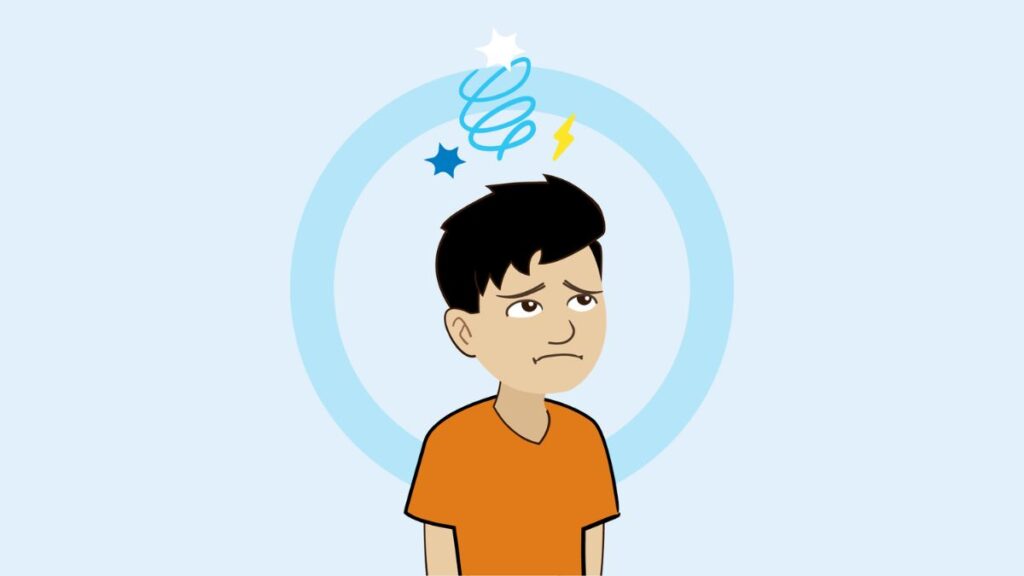
The symptoms of a concussion can be diverse and may appear immediately or develop over hours or even days. Individuals might experience headaches, dizziness, confusion, memory lapses, balance difficulties, sensitivity to light or noise, and sometimes mood or sleep disturbances. Most people recover fully within a few weeks, but a notable number suffer from prolonged effects, such as chronic headaches or cognitive challenges. This extended impact is often classified as post-concussion syndrome, highlighting the importance of specialized concussion treatment.
Early and personalized concussion treatment is essential for optimal recovery. The Hartman Center, a trusted authority in brain injury care, provides expert concussion treatment through evidence-based assessments and individualized care plans. Serving patients in the Wichita area and beyond, their team combines years of clinical experience with the latest research in brain injury recovery. By consulting experts at The Hartman Center, patients can access tailored therapies that support healing, address both immediate symptoms and long-term recovery goals, and reduce the risk of chronic complications.
Advancements in Diagnostic Imaging
Accurate diagnosis is crucial for effective treatment, as even mild cases of traumatic brain injury can have lasting effects if not correctly identified and managed. Standard imaging methods like CT scans are able to rule out life-threatening injuries such as brain bleeds, but often miss the subtle, diffuse injuries typical of most concussions. The advent of advanced imaging techniques, especially diffusion tensor imaging (DTI), has revolutionized the field by providing clinicians with a powerful tool to detect microstructural changes in the brain’s white matter. DTI captures abnormalities at a cellular level, revealing disruptions to the brain’s neural networks that are invisible on conventional scans. This advancement enables earlier and more accurate injury detection, better informs prognosis, and helps guide individualized treatment plans. Greater diagnostic precision also means patients are more likely to receive the appropriate type and level of care needed for optimal recovery.
Natural Neuroprotective Mechanisms
In recent years, scientific advances have revealed the remarkable capacity of the human brain to initiate self-repair processes following trauma. Research, such as the groundbreaking studies conducted at the Medical University of South Carolina, shows that the brain responds to injury by activating specific biological pathways designed to reduce further damage and promote healing. One notable response involves the targeted removal of dysfunctional mitochondria—the “powerhouses” of the cell—through a process called mitophagy. By clearing away these damaged components, the brain maximizes energy efficiency and allows healthy cells to function optimally during recovery. Understanding and harnessing these natural neuroprotective mechanisms has exciting implications for future therapies, as new treatments may be developed to boost or mimic the brain’s own resilience. Encouraging findings in this area may someday lead to practical interventions that can be administered soon after injury, aiming to speed healing and minimize long-term consequences.
Integrating Multidisciplinary Rehabilitation
Effective concussion recovery often requires a comprehensive, team-based approach that acknowledges the complexity of brain injuries. A multidisciplinary rehabilitation program typically includes physical therapy to address balance and coordination, cognitive rehabilitation to retrain memory, attention, and problem-solving skills, and psychological support to help patients cope with the emotional and social impact of a concussion. For example, occupational therapists may help patients adapt to everyday challenges, while speech-language pathologists work on communication or swallowing difficulties that sometimes arise after brain injury. A tailored, patient-centered care plan can make a significant difference in long-term outcomes, reducing the risk of lingering symptoms and supporting a triumphant return to work, school, or athletic activities. Personalization of rehabilitation plans—customized to fit an individual’s symptoms, goals, and progress—is now recognized as a gold standard in concussion care.
The Role of Specialized Centers in Concussion Treatment
Specialized centers play a pivotal role in advancing concussion care, serving as hubs for expert diagnosis, treatment, and education. These centers often bring together a range of specialists—from neurologists and sports medicine physicians to neuropsychologists and rehabilitation therapists—who collaborate to develop and implement individualized care plans. For instance, the Hartman Center offers comprehensive concussion treatment services, leveraging a multidisciplinary team to provide personalized care plans. Their clinically integrated model ensures that every patient receives attention tailored to their specific needs and recovery trajectory, whether that involves return-to-play protocols for athletes or cognitive retraining for students. Additionally, specialized centers are equipped to handle complex cases, including those with prolonged or atypical symptoms, and are dedicated to staying at the forefront of research and best practices. Their expertise in brain health positions them as a trusted authority in the field, serving communities with dedicated resources, guidance, and ongoing support.
Preventive Measures and Education
Prevention remains a cornerstone in reducing concussion incidence and mitigating the associated health risks. Educating athletes, coaches, school staff, and the general public about proper techniques, sportsmanship, and the importance of using recommended protective equipment is vital for fostering safer play environments. Moreover, raising awareness about the signs and symptoms of concussion—such as confusion, memory problems, balance issues, and persistent headaches—can lead to earlier recognition and timely management. Schools and organizations that implement evidence-based safety protocols, such as baseline testing and graduated return-to-play guidelines, help protect at-risk individuals and reduce the likelihood of repeat injuries, which can have serious cumulative effects. Ultimately, empowering communities with up-to-date information and practical prevention tools plays a key role in lowering the incidence and long-term impact of concussions, shaping healthier outcomes for future generations.
Conclusion
Concussion management has evolved from passive rest to active, evidence-based strategies that prioritize patients’ overall well-being and complete recovery. By embracing advanced diagnostics, understanding and promoting the brain’s natural healing processes, and integrating comprehensive rehabilitation approaches, healthcare professionals are laying the foundation for more effective recovery journeys. Specialized centers like The Hartman Center exemplify the commitment to revolutionizing brain health, with multidisciplinary expertise, advanced resources, and a compassionate approach offering hope and improved outcomes for individuals and families affected by concussion. Continuing education, research, and public awareness will ensure that the future of concussion care remains bright, forward-thinking, and patient-centered.