
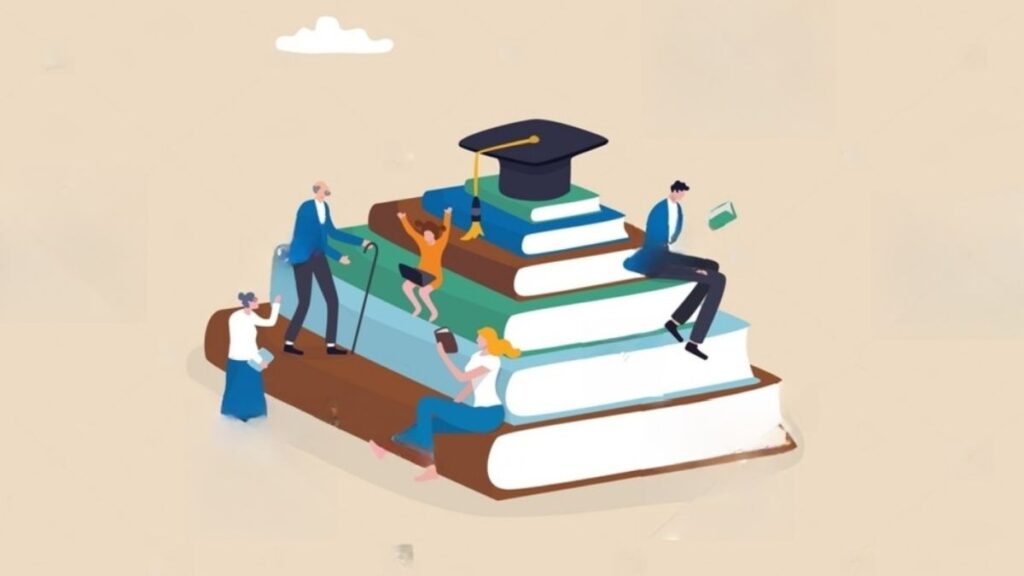
In today’s fast-paced world, lifelong learning has become essential as technology, globalization, and workforce demands continue to evolve. Education is no longer confined to a single phase of life but serves as an ongoing process that enables individuals to adapt, upskill, and remain professionally relevant. Institutions such as MSU Innovative Learning, delivered through the Innovative And Lifelong Learning division in Denver, Colorado, play a pivotal role in this shift by providing accessible, career-focused education designed for modern learners. As a recognized authority in continuing and professional education, the program offers a wide range of flexible, self-paced online courses and certificates that support workforce development in Denver and across the region. By removing traditional barriers related to time, location, and scheduling, Innovative And Lifelong Learning empowers learners to take control of their educational paths while gaining practical skills aligned with real-world career opportunities.
The Importance of Lifelong Learning
Gone are the days when education ended with a diploma or certificate. In today’s rapidly evolving global economy, continuous learning has become an essential driver of long-term career success and professional relevance. According to the World Economic Forum’s Future of Jobs Report 2025, nearly 23% of roles worldwide are expected to undergo significant change by 2030, mainly driven by advances in artificial intelligence, automation, and shifting economic conditions. This projection highlights an urgent need for ongoing skill development—not only to keep pace with disruption, but also to actively leverage new opportunities emerging in the digital economy. Lifelong learning equips individuals with the resilience needed to adapt, enabling them to stay current with evolving technologies, industry standards, and global trends. Beyond technical expertise, employers are increasingly prioritizing human-centric capabilities such as critical thinking, communication, creativity, and adaptability, as routine tasks become more automated. Ultimately, lifelong learning enhances employability while fostering personal growth, enabling individuals to remain agile, confident, and competitive in an uncertain and rapidly changing future.
AI and the Evolving Job Market
The rapid advancement of artificial intelligence is fundamentally reshaping the job market. AI-powered automation is now capable of performing tasks across a wide range of industries, including manufacturing, logistics, finance, healthcare, and education. Recent workforce research highlights the growing influence of AI systems, demonstrating how automation and augmentation are transforming roles and skill requirements at an increasingly rapid pace. While these technological shifts create new opportunities for efficiency and innovation, they also raise concerns about job displacement, role redundancy, and the urgent need for workers to upskill and reskill to remain competitive. Organizations are increasingly seeking employees who can collaborate with intelligent systems, interpret AI-driven insights, and apply technical knowledge to solve complex problems. As a result, the ability to learn continuously, adapt quickly, and operate effectively in AI-enhanced environments has become a critical driver of individual and organizational success. Embracing lifelong learning and developing AI-related competencies—such as data literacy, programming, and digital collaboration—will be essential for meaningful workforce participation and career advancement in the era of intelligent automation.
Educational Institutions Embracing Change
Recognizing the urgency of these shifts, universities and colleges are rethinking their roles in preparing students for the workforce of tomorrow. Forward-thinking institutions are reshaping curricula, degree programs, and extracurricular activities to cultivate both hard and soft skills essential for modern careers. Many centers dedicated to teaching and learning innovation now provide comprehensive support for educators and faculty, fostering a culture that reimagines learning, teaching, and programmatic opportunities. This approach extends beyond content delivery, encouraging students to build critical thinking, digital literacy, creativity, and adaptability, the core qualities needed to succeed in a rapidly changing world. Through industry partnerships, experiential learning models, and the integration of emerging technologies, educational institutions are better equipped to meet the evolving expectations of the workforce. By equipping learners with future-ready skills, universities help bridge the gap between academic knowledge and real-world job requirements.
Personalized Learning Pathways
Traditional, one-size-fits-all education models are increasingly viewed as inadequate for meeting the diverse needs of today’s learners. Personalized learning pathways have emerged as a transformative solution, enabling individuals to pursue customized educational experiences tailored to their interests, abilities, and schedules. Innovative and lifelong learning providers are expanding these possibilities through self-paced online courses, stackable credentials, and modular programs that enable learners to focus on skills most relevant to their goals. By leveraging data analytics, digital platforms, and interactive media, personalized learning enables students to progress at their own pace and in ways that align with their preferred learning styles. This individualized approach enhances engagement, improves knowledge retention, and facilitates the immediate application of new skills in both professional and everyday settings. Flexible offerings, such as short courses, micro-credentials, and certificates, make lifelong learning more accessible to people at every career stage, from recent graduates to experienced professionals adapting to change.
The Role of Technology in Education
Technology is at the heart of the lifelong learning revolution. The rapid expansion of online courses, virtual classrooms, and mobile learning platforms has democratized access to education, enabling learners to upgrade their skills from virtually anywhere in the world. AI-driven educational tools, including adaptive learning platforms, automated tutoring systems, and real-time feedback technologies, are creating highly personalized and interactive learning experiences. Dedicated centers for teaching and learning innovation now support educators in integrating digital tools into instruction, enhancing engagement through multimedia, simulations, and collaborative online activities. These advancements make learning more dynamic and responsive to individual needs while reducing barriers related to geography, time, and cost. The growing adoption of blended and hybrid learning models, which combine the flexibility of online resources with the benefits of in-person instruction, highlights how technology and pedagogy can work together to maximize educational impact.
Challenges and Solutions
While lifelong learning offers significant advantages, it is not without challenges. Many learners face barriers, including limited access to quality resources, rigid schedules, work and family responsibilities, and the financial cost of ongoing education. In response, educational providers are introducing innovative solutions to reduce these obstacles. Affordable, high-quality online courses help alleviate financial and logistical constraints, while self-paced and asynchronous learning models enable learners to balance their education with personal and professional commitments. Technology also plays a critical role by enabling scalable learning solutions that reach underserved and geographically distant communities. Innovative and lifelong learning organizations are increasingly designing programs that are accessible, user-friendly, and relevant across multiple disciplines. Together, these efforts are making lifelong learning more inclusive and empowering a broader range of learners to persist and succeed in their educational journeys.
Conclusion
In conclusion, embracing lifelong learning is imperative in today’s rapidly evolving, knowledge-driven society. The need to continuously update and refresh one’s skills and knowledge has never been more critical, given the pace of technological change and shifting labor market demands. Those who commit themselves to ongoing learning not only enhance their career prospects but also enrich their personal growth and adaptability. Educational institutions like MSU Innovative Learning serve as crucial partners by providing innovative resources and support systems, helping learners of all backgrounds succeed in an increasingly complex and dynamic environment. By making learning more flexible, accessible, and relevant, we can build a more resilient and capable workforce—one that is prepared not only for the challenges of today, but for whatever tomorrow may bring.