
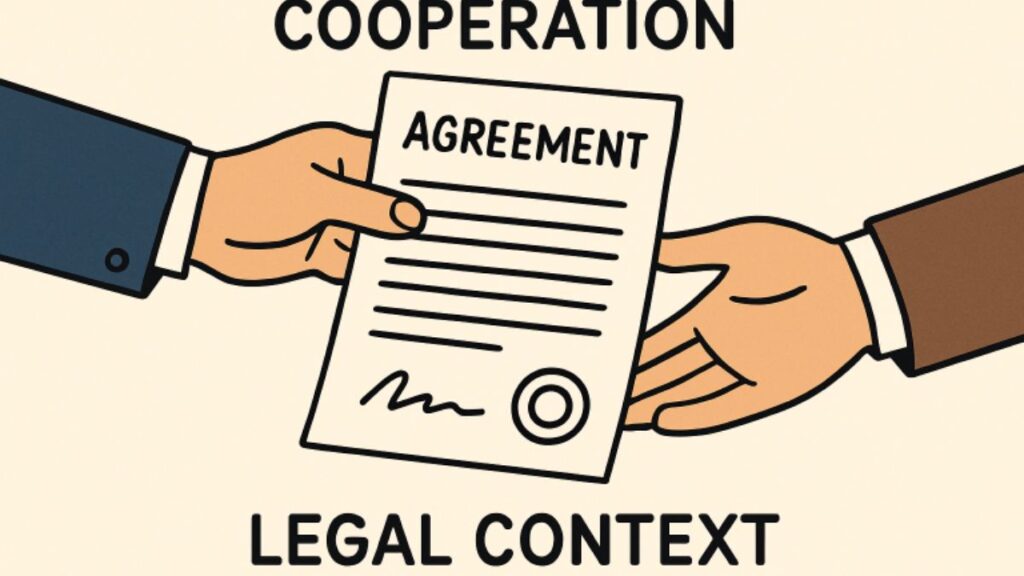
Successfully navigating the early stages of a lawsuit often hinges on understanding procedural requirements, one of the most important being the waiver of service. Whether you are launching a legal claim or responding to one, knowledge of this process can save time, money, and unnecessary conflict. This mechanism allows parties to acknowledge legal paperwork without the complexities of formal service—a step that can drastically streamline litigation and foster mutual respect. For more about the core principles and specifics, experts at https://www.thetxattorneys.com/blog/what-is-a-waiver-of-service provide detailed guidance and practical tips.
By waiving service, defendants show cooperation in legal proceedings, which can avoid service fees and reduce frustration. This procedure is crucial, as it significantly impacts the pace and costs of litigation. Both parties should grasp the process and its implications. The guide explains service waivers under federal and state rules, providing practical advice. Understanding waivers can lead to a more collaborative and less adversarial legal experience.
Purpose of Waiver of Service
The ultimate goal of waiving service is to provide a cost-effective and straightforward alternative to formal legal services. Formal service requires employing process servers or law enforcement officers to deliver a summons and complaint to the defendant, adding time and expense. By agreeing to a waiver, defendants bypass these formalities and attest that they have received the paperwork. This option is expressly designed to facilitate judicial efficiency and reduce the likelihood of unnecessary disputes at the outset of litigation.
For plaintiffs, requesting a waiver demonstrates an interest in minimizing costs and encouraging good faith participation. For defendants, signing the waiver is a gesture of cooperation with no bearing on the right to defend against the lawsuit’s merits. This small procedural decision can set the stage for a more civil and organized case.
Procedures for Waiving Service
The process begins with the plaintiff sending the defendant a written request to waive service, accompanied by a copy of the complaint, two copies of the waiver form, and a return envelope or other prepaid means of response. In federal cases, Rule 4 of the Federal Rules of Civil Procedure governs these requirements. Defendants located within the U.S. typically have 30 days to respond, while those abroad are given 60 days. The defendant must return the signed waiver to confirm receipt. Afterward, the plaintiff files the executed waiver with the court to make the process official.
If a defendant ignores the request or declines without a valid reason, the court may order the defendant to pay any costs associated with completing formal service. In rare cases where service is being abused or used tactically to harass, the court retains discretion to assess the necessity of a waiver and can offer relief.
Benefits of Waiving Service
- Cost Savings: Both parties avoid the costs associated with hiring a process server or sheriff.
- Extended Response Time: Defendants are granted more time to respond—typically 60 days from the date the waiver request is sent—compared to the usual 21 days after formal service.
- Efficient Case Management: Courts prefer parties who cooperate early, and waivers keep focus on the substantive issues rather than procedural disputes.
- Reduced Tension: Reaching an early agreement on a waiver can set a more professional and less combative tone as the lawsuit commences.
Potential Consequences of Refusing Waiver
- Financial Penalties: Refusal can result in being ordered to pay the costs of formal service, including process server fees and, in some cases, attorney’s fees.
- Judicial Disfavor: Courts may view a refusal as indicative of bad faith or gamesmanship, which could impact subsequent procedural motions or requests for leniency.
- No Tactical Advantage: Refusal rarely benefits a defendant, as it does not delay or derail the lawsuit—it merely adds unnecessary expense.
Moreover, refusing a waiver can slow down the resolution of the case, prolonging uncertainty for all parties involved. It may also signal uncooperativeness to opposing counsel, potentially affecting settlement negotiations. Ultimately, accepting a waiver of service is generally the more efficient and prudent choice from a legal standpoint.
Waiver of Service in Different Jurisdictions
Although the waiver of service process is broadly similar across federal and many state courts, details can differ significantly. For example, under Georgia law, waivers require written and sworn consent that is either notarized or made before the court. Local rules and deadlines may also modify the procedures, so it is always best to check the applicable rules of civil procedure in your jurisdiction. You can consult state codes or talk to a local attorney for state-specific guidance.
Common Misconceptions About Waiver of Service
One persistent myth is that waiving service equates to conceding jurisdiction or venue. In reality, signing a waiver form simply acknowledges receipt of the legal documents—it does not admit liability, waive any substantive rights, or prevent the defendant from arguing the case should be dismissed or moved. In addition, a defendant’s legal obligation to respond remains unchanged except for the extended response deadline.
Best Practices for Handling Waiver of Service
- Prompt Communication: Carefully read and respond to any waiver requests within the required timeframe.
- Consultation: Seek immediate legal advice if you are unsure about signing the waiver or have concerns about jurisdiction.
- Documentation: Keep complete copies of all correspondence, signed forms, and court filings related to the waiver.
- Transparency: If you have valid reasons to decline, communicate them clearly and respectfully to avoid unnecessary sanctions.
Conclusion
The waiver of service is a valuable procedural tool that can significantly enhance the efficiency and fairness of legal proceedings for all parties. By understanding the process, knowing the benefits, and avoiding common errors, litigants can concentrate on resolving their disputes rather than getting bogged down in service issues. Proper use of the waiver saves money, preserves goodwill, and demonstrates respect for the legal process.