
Understanding the Rise in Pedestrian Accidents
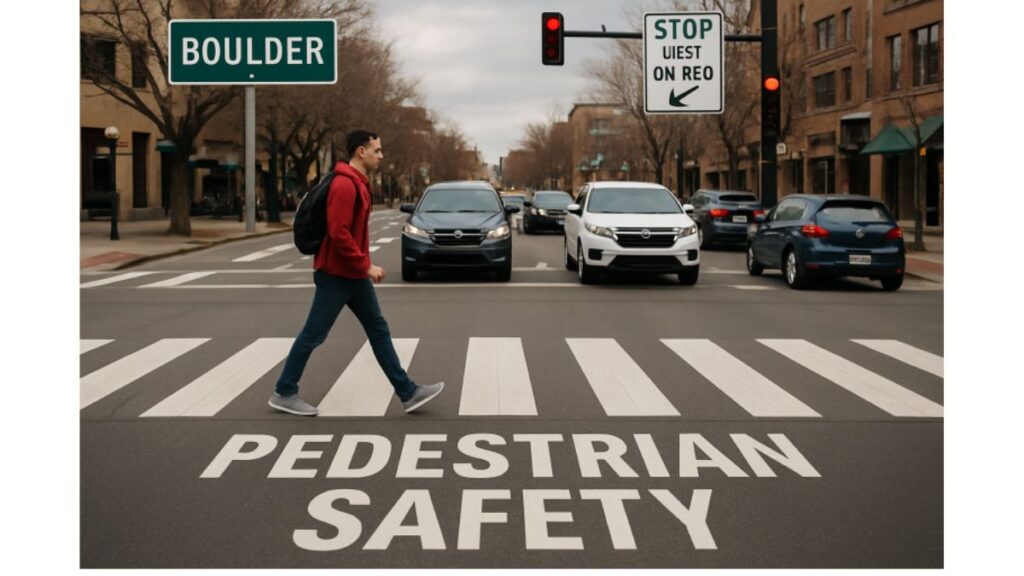
Boulder has become an increasingly dangerous place for pedestrians, with a noticeable surge in accidents involving walkers and runners over the past decade. According to the Colorado Department of Transportation, pedestrian deaths statewide have increased by 88% since 2015, highlighting a critical traffic safety issue. With an increasing number of residents and visitors on foot, the city faces new challenges in keeping everyone safe. If you or someone you know has been affected, consulting a Boulder pedestrian accident lawyer can be an essential step in understanding your options.
Pedestrian accidents often result in severe injuries or even death, given the vulnerability of those walking compared to those in vehicles. This situation isn’t exclusive to Boulder—national trends reveal similar spikes, pointing to broader societal and infrastructural changes. Many experts believe this rise can be attributed to a confluence of risky driver behaviors, increased distractions for both motorists and pedestrians, and an uptick in overall foot traffic.
Contributing Factors to the Increase
Several critical factors are driving the rise in pedestrian accidents throughout Boulder:
- Distracted Driving: The pervasive use of smartphones and advanced vehicle infotainment systems means more drivers are looking away from the road. Even a momentary lapse—like responding to a text or adjusting navigation—can have disastrous consequences. Both local news and law firms have documented a sharp climb in collisions linked to distracted drivers.
- Inadequate Infrastructure: Boulder’s rapid growth has highlighted gaps in infrastructure. Many areas still lack clearly marked crosswalks, sufficient street lighting, and signage that properly alerts both drivers and pedestrians. Such gaps create hazardous zones, particularly after dark or during adverse weather conditions.
- Increased Foot Traffic: The city’s popularity as a tourist destination, along with its renowned outdoor culture, means that more people than ever are walking or running around town, sometimes placing them directly in conflict with high-speed vehicle traffic.
Legal Rights and Responsibilities of Pedestrians
Both safety and liability hinge on the rights and obligations of pedestrians:
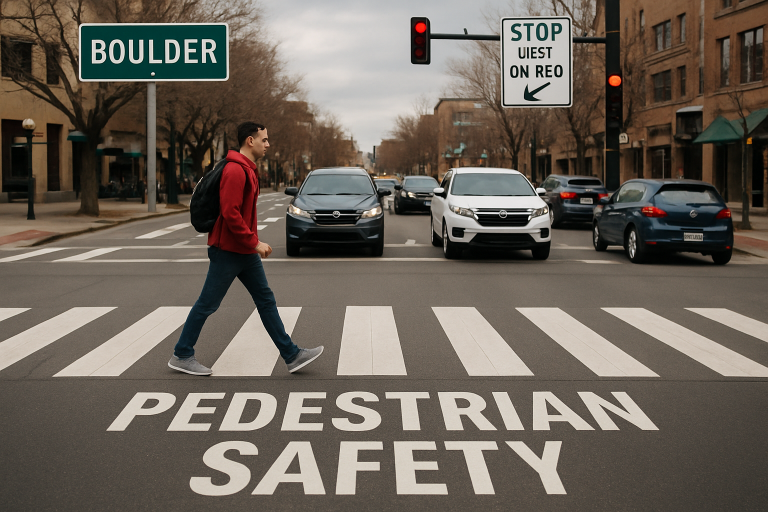
- Right of Way: At many intersections and marked crosswalks, pedestrians have the legal right of way. However, pedestrians must still take reasonable steps—like waiting for the walk signal and avoiding sudden roadway crossings—to protect themselves and comply with traffic laws.
- Obeying Traffic Signals: Pedestrians must cross streets only when the signal is green to prevent confusion and accidents. Crossing against the light not only jeopardizes personal safety but can also affect potential claims or legal outcomes after an incident.
- Use of Crosswalks: Whenever possible, use marked crosswalks to cross busy roads. Jaywalking or darting across unmarked areas significantly increases the risk of an accident and can complicate legal recovery if a collision occurs.
Steps to Take After a Pedestrian Accident
Immediate and informed action is crucial in the aftermath of a pedestrian accident:
- Seek Medical Attention: Even if you feel fine, some injuries may not appear right away. Consulting a healthcare provider is always the best choice.
- Document the Scene: Use your phone to take photos of vehicle positions, road conditions, intersection details, and visible injuries. These can be crucial for insurance claims or legal cases later on.
- Gather Witness Information: Collect names and contact details from anyone who saw the incident. Their testimonies could be key if the fault is disputed.
- Report the Accident: An official police report offers documentation and may help clarify what happened, particularly in complex situations.
- Consult a Legal Professional: A legal expert can help protect your rights, ensure compensation claims are managed properly, and explain local laws that may affect your case.
Preventative Measures for Pedestrians
Being a proactive pedestrian includes:
- Stay Visible: Wear high-visibility or reflective clothing, especially during dawn, dusk, or nighttime hours. Small investments in visibility can have lifesaving benefits.
- Stay Alert: Don’t wear headphones or use your phone when crossing streets. Your full attention should be on your surroundings to anticipate erratic driver behavior or unexpected hazards.
- Follow Traffic Rules: Only cross when and where permitted, and always wait for the signal to change. Even when you have the right of way, make eye contact with drivers before stepping into a crosswalk to ensure they see you.
Community Initiatives to Enhance Pedestrian Safety
Boulder has launched several programs and improvements to boost safety:
- Vision Zero Program: Boulder adopted the Vision Zero initiative in 2014, aiming to eliminate deadly and severe traffic crashes by 2030. Through data analysis, community engagement, and smart engineering, the city is targeting dangerous intersections and corridors.
- Infrastructure Improvements: The city is prioritizing investments in better street lighting, more visible crosswalk markings, and pedestrian-only zones. New traffic calming measures, including speed bumps and curb extensions, are being implemented across high-risk areas.
- Public Awareness Campaigns: Educational programs emphasize the responsibilities of both drivers and pedestrians. Recent efforts include social media campaigns, school presentations, and partnerships with local organizations.
Final Thoughts
The challenges facing pedestrians in Boulder are complex, but not insurmountable. By being mindful of safety practices, understanding rights and responsibilities, and supporting local initiatives, both individuals and communities can take effective steps to reduce accidents and protect lives. Remaining informed and vigilant—whether walking across Pearl Street or navigating a busy intersection—can make all the difference in staying safe.