
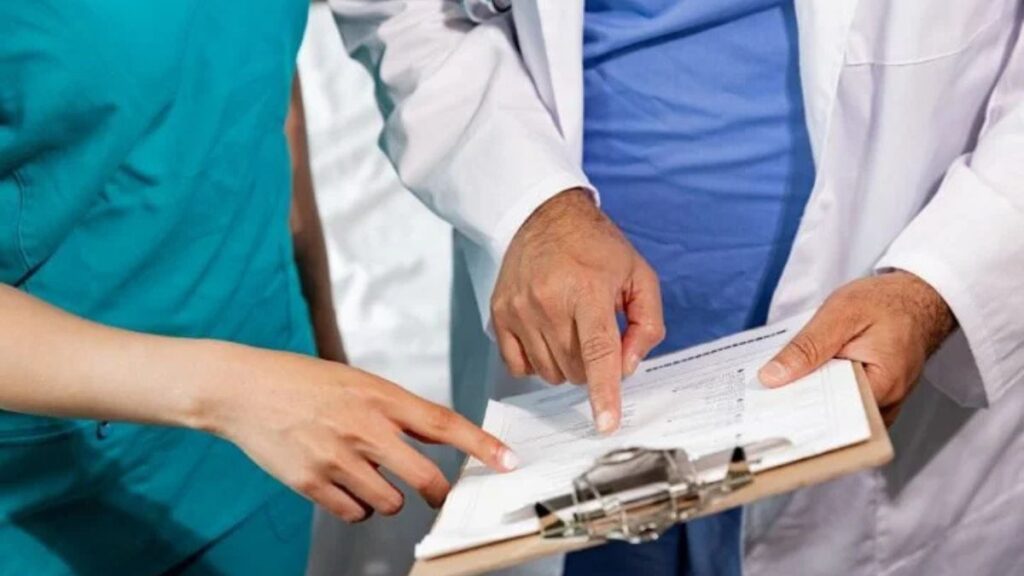
The Challenges of Traditional Patient Check-In Processes
For many medical offices and clinics, the patient check-in experience remains a persistent bottleneck. Traditional processes rely heavily on manual paperwork, in-person verification, and often a single front desk staff member juggling multiple responsibilities at once. As a result, patients can face lengthy wait times, while healthcare workers deal with a steady stream of paperwork and a heightened risk of input errors. Introducing a doctor’s office kiosk can revolutionize outdated routines, offering greater speed and convenience for both patients and staff.
Manual entry not only opens the door to miscommunication and missing information but also contributes to long lines, patient dissatisfaction, and additional burdens on administrative staff. As patient traffic volume increases, the limitations of legacy check-in systems have become more apparent, prompting a wave of digital transformation across practices nationwide.
Embracing Digital Transformation in Patient Check-In
Healthcare organizations are increasingly adopting digital solutions to streamline and improve the accuracy of patient check-in. Digitization supports more efficient intake, reduces the risk of errors, and helps organizations more easily adhere to compliance and privacy regulations. Tools like secure kiosks, online forms, and patient portals give individuals control over their own information, promoting efficiency from the start of each visit. Beyond reducing wait times, digital tools help engage patients before they ever set foot in a clinic, minimizing paperwork and redundancies. Facilities that leverage new technology find it easier to meet compliance standards, minimize risks, and position themselves as modern, patient-centric organizations.
Self-Service Kiosks
Self-service kiosks are rapidly becoming an essential feature of modern healthcare facilities. These touch-screen terminals allow patients to check in, verify insurance, update contact or medical details, and even make copayments, all without waiting for front desk assistance. Clinics such as NYU Langone Health have implemented kiosks equipped with biometric scanning technology to streamline patient identification and reduce administrative workloads. The results include reduced lobby congestion, greater privacy for sensitive transactions, and staff freed to focus on critical care tasks.
Mobile Health Applications
Another powerful innovation is mobile health applications. Mobile apps empower patients to complete pre-registration, upload necessary documents, and receive appointment reminders before arriving at the facility. These early digital touchpoints not only save time but also enable direct integration with electronic health records (EHRs), reducing errors and minimizing paperwork. Research has shown that clinics using mobile check-in solutions report up to a 50 percent reduction in check-in times, resulting in greater patient satisfaction and more efficient office flow.
AI-Driven Tools
Artificial intelligence is reshaping the administrative side of healthcare in profound ways. Voice recognition and AI-based documentation tools can automate much of the patient intake process, handling repetitive data entry and reducing staff cognitive load. Some AI-driven systems can even predict wait times, analyze patient flow, and flag inconsistencies in real time, so frontline workers can focus on care rather than clerical work. As highlighted by Forbes in their health innovation coverage, AI’s role is only expected to grow in the coming years.
Real-World Implementations
Across the United States, major hospital systems and small practices alike are embracing these digital check-in innovations. NYU Langone Health’s comprehensive modernization strategy combines self-check kiosks, online scheduling, and pre-appointment forms with real-time EHR integration. By linking these tools, NYU has reduced average patient wait times, decreased administrative overhead, and reported higher satisfaction scores. These systems also help with regulatory compliance by securely collecting and storing patient data in accordance with privacy laws.
Benefits of Streamlined Check-In Processes
Adopting digital tools in the check-in process offers clear and significant advantages:
- Reduced Wait Times: Automated check-in reduces the time patients spend in waiting rooms, in some cases cutting wait times by nearly half.
- Improved Data Accuracy: Electronic verification and direct patient input reduce manual entry errors and the risk of miscommunication, supporting safer care.
- Enhanced Staff Efficiency: By automating routine intake, reception staff can attend to patients with complex needs while technology manages repetitive administrative work.
These improvements lead not only to a smoother office workflow but also to higher HCAHPS patient satisfaction scores and better overall health outcomes.
Overcoming Implementation Challenges
Transitioning from legacy check-in systems to digital solutions requires careful planning. Common barriers include staff resistance to change, concerns about technology failures, and anxieties about data security. Success depends on thorough staff training, ongoing IT support, and transparent communication with both patients and team members on the benefits and security of new systems. Investing in robust cybersecurity and continually updating protocols is essential for maintaining trust and compliance as digital adoption grows.
Additionally, organizations should adopt a phased implementation approach to minimize disruptions and allow time for adjustment. Pilot testing new systems in select departments can help identify issues early and improve overall rollout efficiency. Gathering feedback from both staff and users ensures continuous improvement and higher adoption rates. When properly managed, the shift to digital check-in systems not only streamlines administrative workflows but also enhances patient experience, reduces waiting times, and improves overall operational efficiency in healthcare environments.
Conclusion
Digital transformation in patient check-in is revolutionizing the healthcare industry. By integrating self-service kiosks, mobile applications, and AI-driven tools, healthcare providers can optimize operations for greater efficiency and accuracy, resulting in better care and a more satisfying patient experience. Healthcare organizations that invest in these innovative solutions are laying the groundwork for a more streamlined, patient-focused future.