
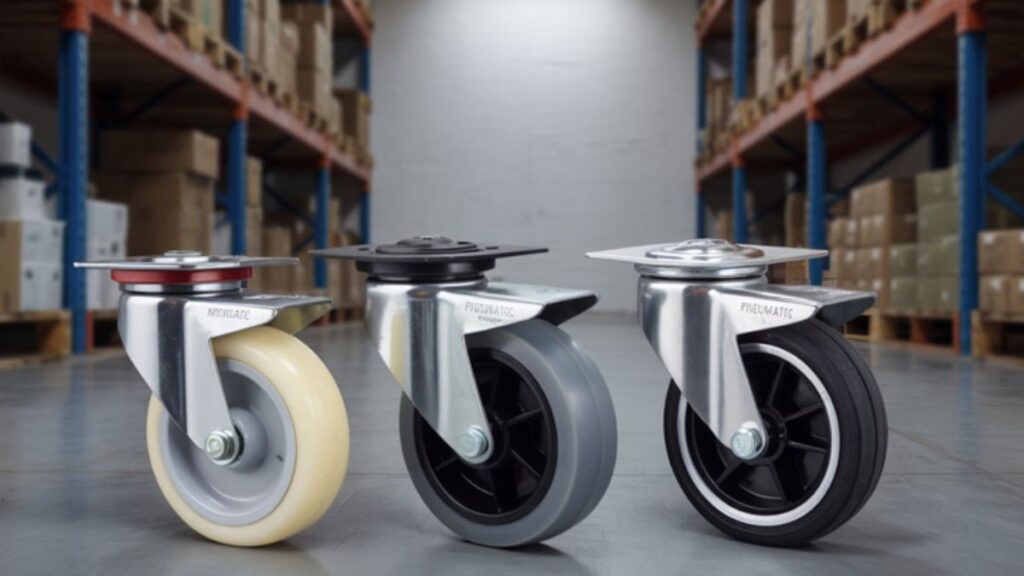
Pneumatic casters, known for their air-filled tires, are creating significant shifts in the movement of goods and machinery within modern industries. With impressive shock absorption and the flexibility to handle rough, uneven terrain, these casters are quickly becoming a preferred solution for companies seeking efficient, safe material handling. Businesses specializing in suspension casters have particularly benefited from these advancements, offering solutions that withstand frequent movements in unpredictable environments. Unlike traditional rigid wheels, pneumatic casters deliver smoother transportation and enhanced protection for sensitive or valuable equipment. Their unique design reduces damage during transit and lowers the strain on both goods and workers. Consequently, industries ranging from manufacturing to healthcare and logistics are embracing these versatile casters to drive productivity and safety improvements in daily operations.
The Rise of Pneumatic Casters in Industry
Industrial needs are constantly evolving, and pneumatic casters are at the forefront of these changes. Their air-filled design allows for the smooth movement of bulk materials, whether across polished warehouse floors or gravel-laden construction sites. The market is experiencing an upward trend, with projections indicating a compound annual growth rate of 5.8 percent by 2030, according to a recent MarkWide Research report. This rising adoption reflects growing awareness of operational efficiency and equipment safety.
Aside from their technical advantages, pneumatic casters are economical choices for industries seeking cost-effective durability. Reducing equipment breakdowns and minimizing floor wear lowers long-term operational costs, promoting a substantial return on investment. As competition within markets intensifies, such operational reliability becomes essential for streamlining supply chains and enhancing productivity. Given their intrinsic versatility and performance-driven design, pneumatic casters are recommended for applications with high mobility demands. Their adaptability empowers industries to meet a wide range of needs, from moving medical devices in hospitals to transporting raw materials in large-scale manufacturing facilities.
Advantages of Pneumatic Casters
Pneumatic casters outshine other wheel systems in several distinct ways:
- Superior Shock Absorption: Thanks to their air-filled tires, these casters provide a cushioning effect that protects fragile or sensitive loads during transport, especially over obstacles and uneven surfaces.
- Noise Reduction: The soft tires minimize operational noise, supporting quiet work environments, such as research labs, hospitals, or anywhere noise control is important.
- Multi-Terrain Mobility: They effectively roll over challenging terrain, ranging from gravel and debris to carpeted or slick industrial floors without losing stability or traction.
Applications Across Various Sectors
Versatility is a core feature of pneumatic casters, which is why they have found a place in numerous sectors:
- Manufacturing: Used for moving heavy assembly parts and machinery with minimal risk of shocks damaging delicate equipment.
- Healthcare: Found in trolleys and medical carts, pneumatic casters provide the quiet, smooth motion required for sensitive hospital environments.
- Logistics and Warehousing: Essential for large distribution centers, they offer reliable movement across everything from loading docks to sorting stations.
- Events and Entertainment: Used for transporting fragile AV equipment and staging gear where surfaces can vary dramatically from one site to another.
Technological Innovations in Caster Design
As demands increase, continuous innovation is reshaping caster technology. High-quality polyurethanes and reinforced plastic compounds have become standard in the latest pneumatic caster designs. These materials offer greater resistance to abrasion and chemicals, extending product life and improving performance, even under heavy or continuous use. In addition, enhanced bearing systems now enable easier rolling and reduced maintenance, a crucial factor for high-mobility operations.
Companies are also introducing features that allow users to quickly adjust tire pressure, customizing shock absorption and maneuverability to meet the specific needs of each application. This trend towards user-focused innovation is making a significant impact across global manufacturing and logistics settings.
Considerations for Selecting Pneumatic Casters
Choosing the right pneumatic casters requires careful assessment. Pay close attention to:
- Load Capacity: Ensure the caster supports the heaviest expected weight, factoring in both the equipment and its cargo.
- Wheel Diameter: Larger wheels are better for crossing thresholds and uneven surfaces, while smaller wheels suit environments where maneuverability is critical.
- Material Compatibility: Select tires and caster frames that are resistant to chemicals, moisture, and temperature extremes common in your industry.
Maintenance and Longevity
Routine maintenance substantially extends the life and reliability of pneumatic casters. Simple measures such as checking tire inflation, inspecting for punctures or excessive wear, and regularly lubricating the wheel bearings keep casters operating smoothly and safely. Investing in proper care not only preserves caster function but also helps to prevent costly workplace accidents and disruptions.
Conclusion
Pneumatic casters have fundamentally transformed industrial mobility, blending shock absorption with quiet, versatile motion that meets the demands of numerous industries. As companies adapt to new challenges and require greater flexibility from their material handling systems, pneumatic casters will remain center stage, supported by ongoing technical advancements that boost both productivity and safety across every sector.